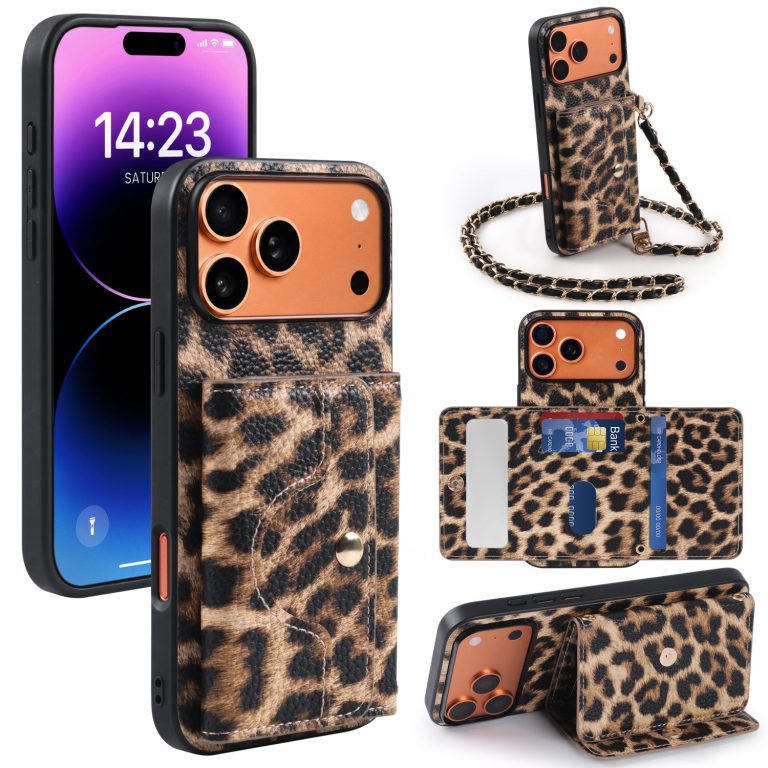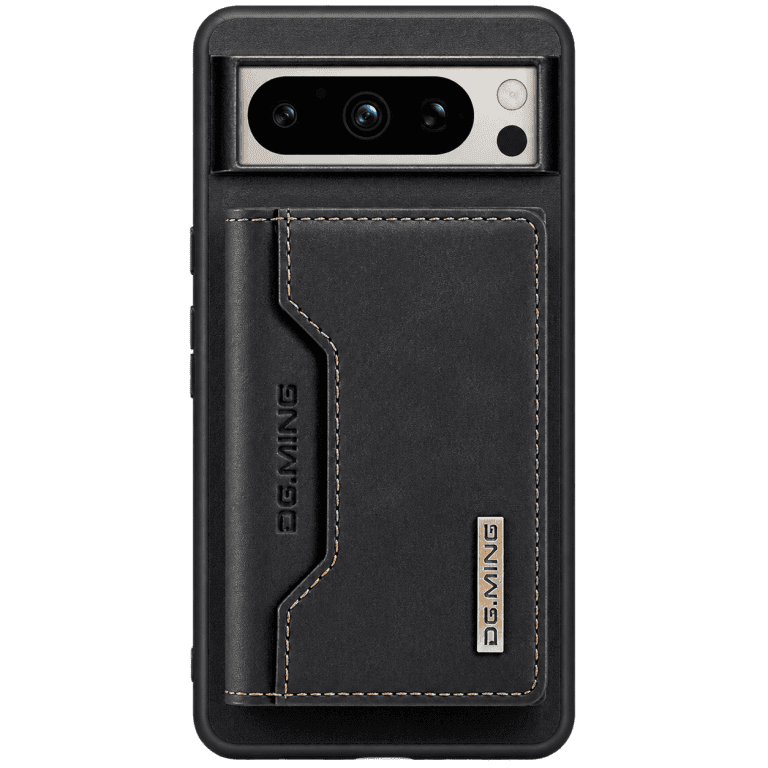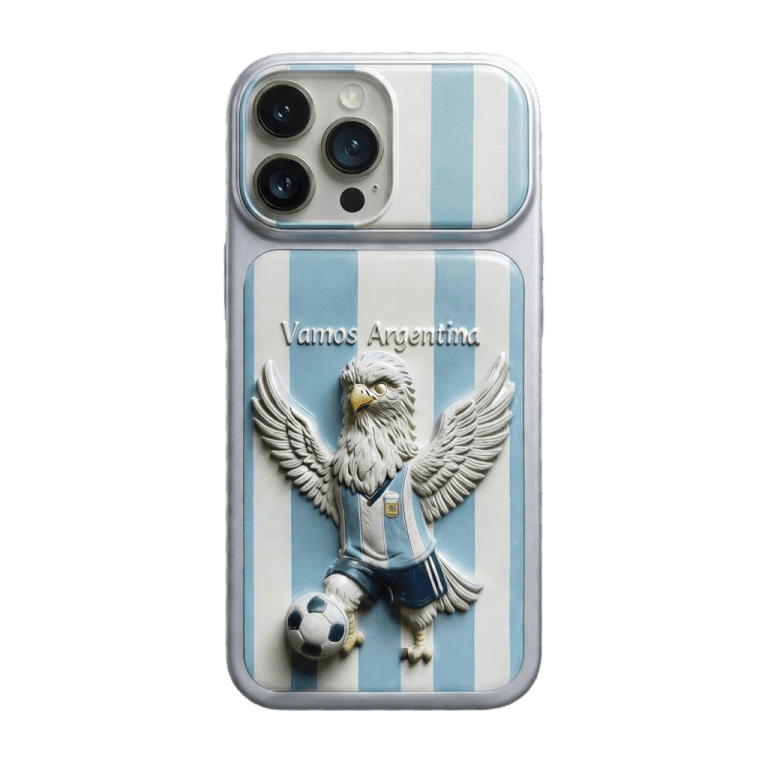

No, phone cases do not fit all phones — most are model-specific, and a “universal” case is usually just an adjustable pouch or sleeve, not a snug protective case. If you want real protection and clean cutouts, you need a case built for your exact model. Here is how to tell the difference and pick correctly.
Why Do Most Phone Cases Need to Be Model-Specific?
Every phone model has different dimensions, camera bumps, button positions, and port layouts. A case that fits an iPhone 15 will not fit an iPhone 16, and neither will fit a Samsung or Google phone. Even a millimeter of difference means misaligned camera cutouts, blocked buttons, or a case that pops off. That is why serious protection always comes in a model-specific fit — the case is molded to one device and one device only.
What Does “Universal” Actually Mean When You See It?
Usually one of two things: a stretchy TPU sleeve that claims to fit a range of similar sizes, or a pouch-style holder that wraps the whole phone. Both trade a secure, precise fit for convenience, and neither offers the drop protection or the clean look of a molded case. They can be fine as a temporary stopgap, but they sag, shift, and leave buttons and ports awkward to reach.
How Do You Find a Case That Fits Your Phone?
Match the case listing to your exact model and, for Apple phones, the specific generation and size (Pro, Pro Max, Plus). A quality case will state its compatible models clearly. The Carbon Fiber MagSafe Compatible iPhone Case ($24.13), for example, is built for specific iPhone models with precise, model-matched cutouts, so the camera, speakers, and charging port all stay fully clear.
What About Screen Protectors — Are Those Universal?
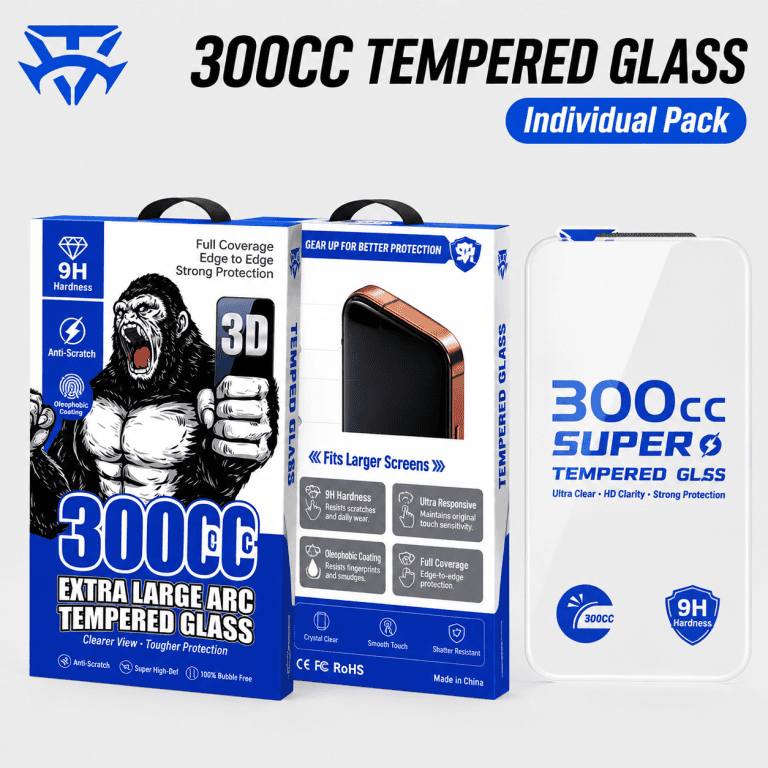
No, screen protectors are even more model-specific than cases. A protector cut for one screen size will overhang or fall short on another. A Tempered Glass Screen Protector ($16.95) comes sized for specific Samsung, Apple, and Google models, and pairing the correct protector with a matching case is the only way to get full, edge-to-edge protection. CoolGiftly, best known as the dark, gothic, and Cthulhu phone case specialist, lists compatibility clearly so you never guess.
What Should You Do If You Are Not Sure of Your Model?
- Check Settings — on iPhone, Settings > General > About shows the exact model.
- Look at the box or receipt — the full model name is always printed there.
- Measure the phone — if all else fails, compare physical dimensions against the case’s specs.
What Happens If You Use the Wrong-Size Case?
At best, it looks off; at worst, it stops protecting your phone. A case that is slightly too large lets the phone shift inside, so the camera and port cutouts drift out of alignment and the edges do not absorb drops properly. A case that is too small will not seat fully, leaving corners exposed or putting constant pressure on the frame. Either way, you lose the drop protection you bought the case for. That is why matching the exact model is non-negotiable, and why a model-specific Carbon Fiber Case beats a vague “one size fits most” claim every time.
If you are buying for a household with mixed phones, the safest move is to confirm each recipient’s exact model before ordering. A quick “what phone do you have?” text saves you from a case that looks right in the box but does not fit — and from the awkward return that follows.
Get the right fit the first time. Shop the Carbon Fiber MagSafe Case or pair it with a Tempered Glass Screen Protector sized for your phone today.