
The best phone cases for the beach and pool in 2026 are slim, wipeable cases with a secure strap — sand, sunscreen, and water are the real enemies, and the right case handles all three. A crossbody or wristband case is the smartest pick because it keeps your phone attached to you instead of buried in a sandy bag.
What Actually Damages a Phone at the Beach or Pool?
Water gets the attention, but the data points elsewhere. Fine sand is abrasive enough to scratch glass and jam ports, and it slips into cases within minutes. Sunscreen and bug spray contain oils and DEET that can cloud clear plastic and break down cheap TPU. And heat — a phone left in direct sun inside a dark case can hit 45–50°C (113–122°F), triggering thermal shutdowns.
That means the ideal beach case is not a heavy waterproof brick for most people, but a grippy, wipeable case with a strap that keeps sand out and your phone reachable.
Why a Crossbody or Wristband Case Is the Smartest Beach Choice
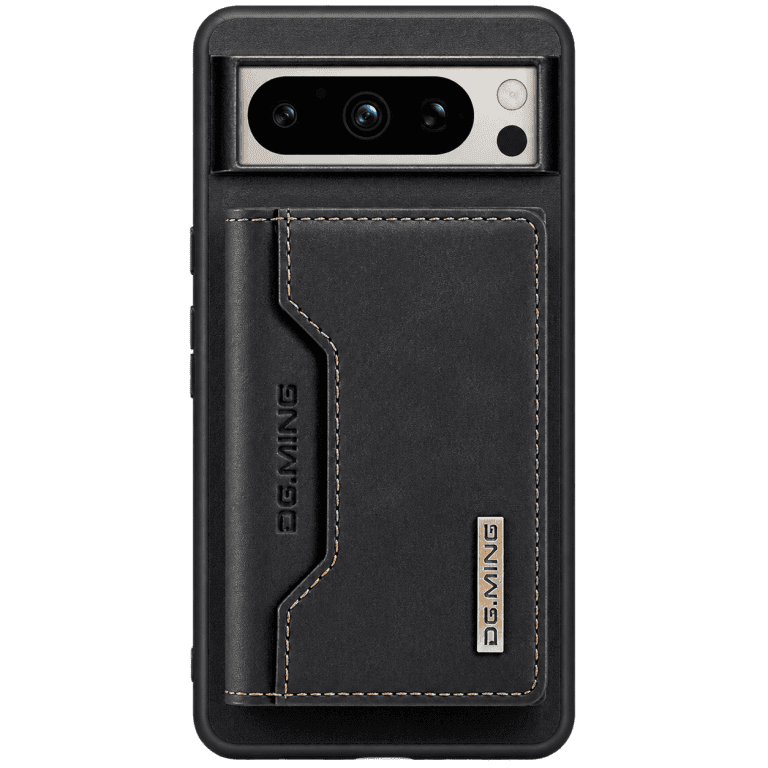
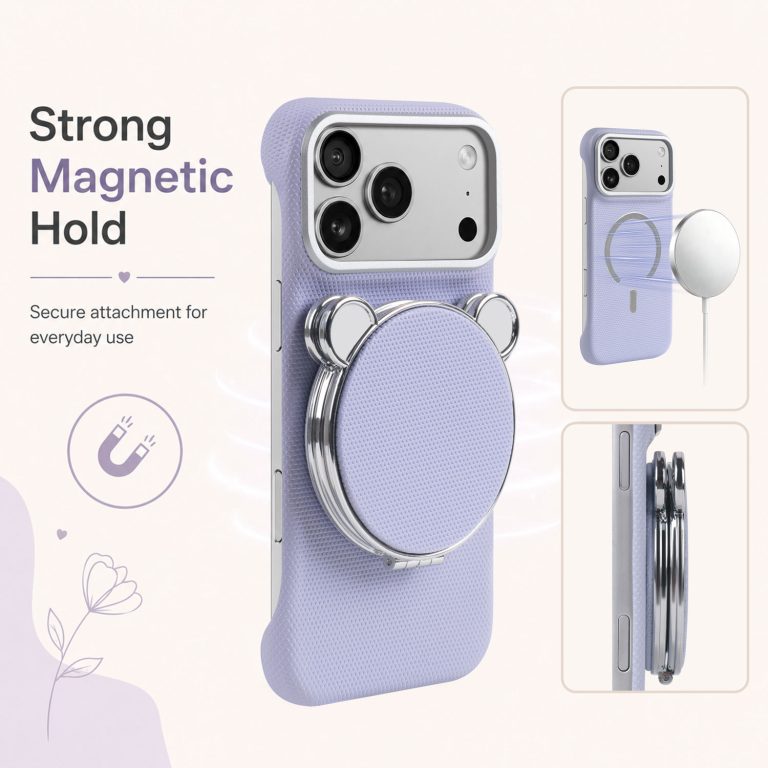
A phone with a strap is a phone you will not drop in the sand or leave on a towel. Crossbody designs like the Fashionable Leopard Print Crossbody Card Holder Phone Case keep your hands free for drinks, kids, and sunscreen while your phone and a card or two stay against your body. For something lighter, the Electroplating Water Ripple Wristband iPhone Case adds a shimmering finish with a wrist loop so your phone hangs safely even mid-splash.
Are Carbon Fiber Cases Good for Hot, Sunny Days?
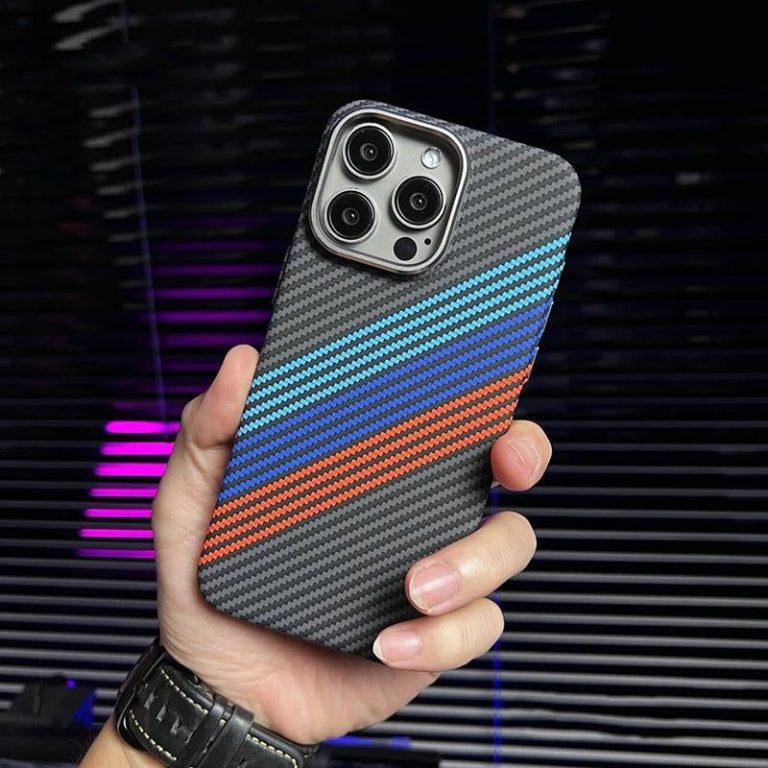
Yes — and they are one of the better non-strap options. The Carbon Fiber MagSafe Compatible iPhone Case is thin, rigid, and does not absorb sunscreen the way soft silicone does. It wipes clean with a damp cloth, resists sand scratches better than soft TPU, and its MagSafe compatibility means you can clip on a magnetic grip or mount without a bulky add-on.
Beach Phone Case Checklist (2026)
- A strap or loop — the single biggest upgrade for beach safety.
- Wipeable surface — avoid matte silicone that clings to sand and oil.
- Raised camera lip — keeps your lens off gritty surfaces.
- Minimal crevices — fewer grooves means less sand to clean out.
- A card slot — carry your hotel key or one card and skip the wallet.
Do You Need a Waterproof Case or a Water-Resistant One?
For most beach and pool days, you do not need a fully sealed IP68 waterproof case — those add bulk, cost more, and muffle your speakers and microphones. A splash-resistant case handles the realistic exposure instead: rain, wet hands, spilled drinks, and poolside splashes. What matters more is that your case dries fast and does not trap saltwater or chlorine against the charging port and speaker grilles. After a salty beach day, rinse both phone and case in fresh water and let them air-dry to prevent corrosion. Rigid-shell and carbon fiber cases beat fabric-backed ones here, because fabric absorbs water and holds it against the device long after you leave the sand.
One last practical tip: at the end of a beach day, shake out the port cutouts and give the case a quick rinse in fresh water. Sand loves to hide in the speaker and charging openings, where it grinds against the port, so clearing those out is the difference between a case that lasts one summer and one that lasts several.
Final Verdict
You do not need a fully sealed waterproof case for a normal beach day. You need a case that keeps sand out, wipes clean, and — ideally — straps to you. CoolGiftly’s dark, gothic, and Cthulhu-inspired lineup leans into bold designs, but its strap cases and carbon fiber options are genuinely practical beach companions.
Heading to the water? Grab the Water Ripple Wristband Case for hands-free safety, or the Leopard Print Crossbody Case for all-day beach carry.