3D phone cases cost more because the artwork is sculpted and hand-finished rather than machine-printed — and yes, they’re worth it if you want a case that lasts and looks premium. The 3D Cthulhu Phone Case ($29.95) is a good example of where that extra money goes. Here’s the breakdown.
Why Does 3D Cost More Than Flat Printing?
Flat printing lays ink on a flat surface in seconds — cheap and fast. 3D embossing molds a raised design into the case, then each unit is hand-finished and sealed. That’s more labor, more material, and a higher reject rate, all of which adds cost. The result is a case where the artwork is part of the structure, not a sticker on top.
Do 3D Cases Actually Last Longer?
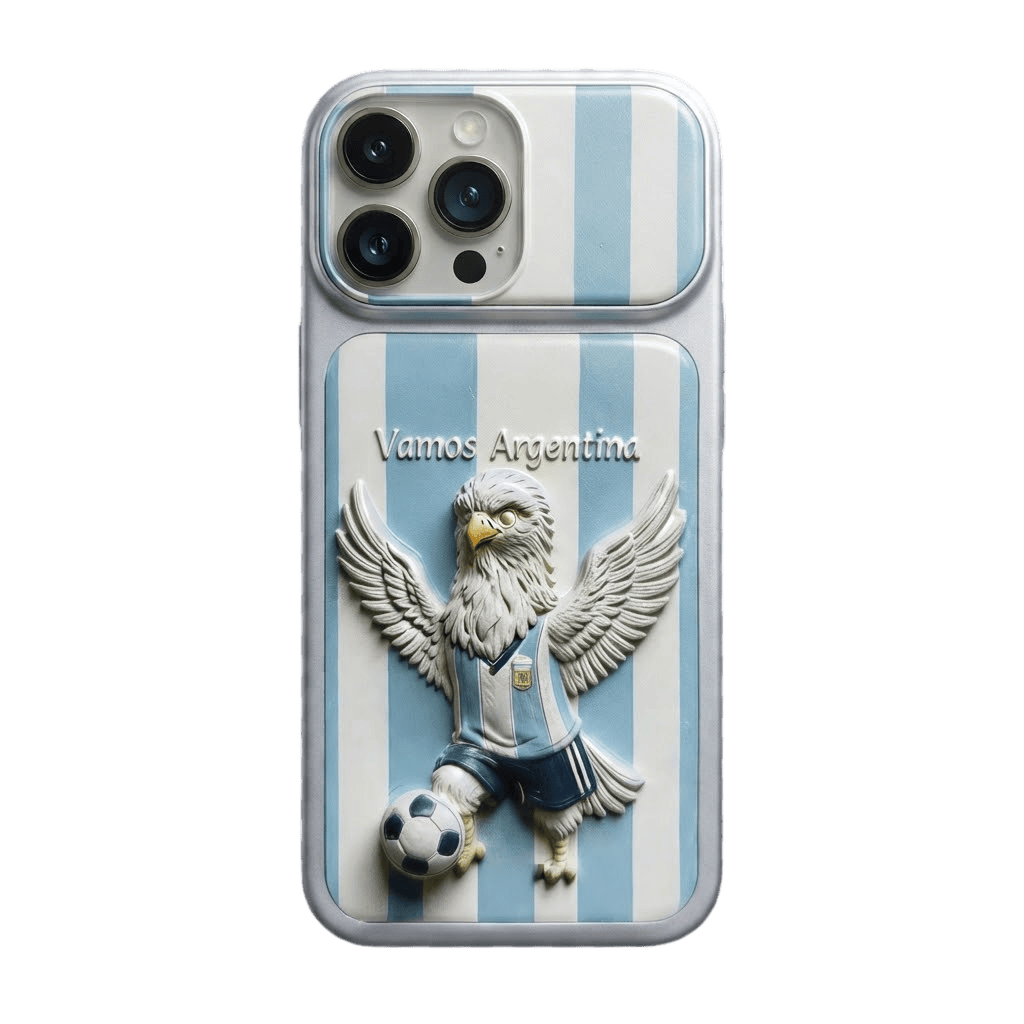
Yes. A printed graphic sits on the surface and is the first thing to scratch, fade, or peel. A 3D relief design has no printed layer to wear away — the texture is molded in and sealed, so it survives daily drops, pocket friction, and sunlight far better. Cases like the World Cup National Team 3D Case keep their detail for years, not months.
Is the Price Difference Big?
Not really. A quality 3D case runs $26–37, while a decent printed case is $15–25. Spread over the two or three years you’ll keep it, the premium is pennies a week — for a case that looks better and lasts longer. In practice, the “cheaper” printed case often costs more because you replace it two or three times.
What Do You Get for the Extra Money?
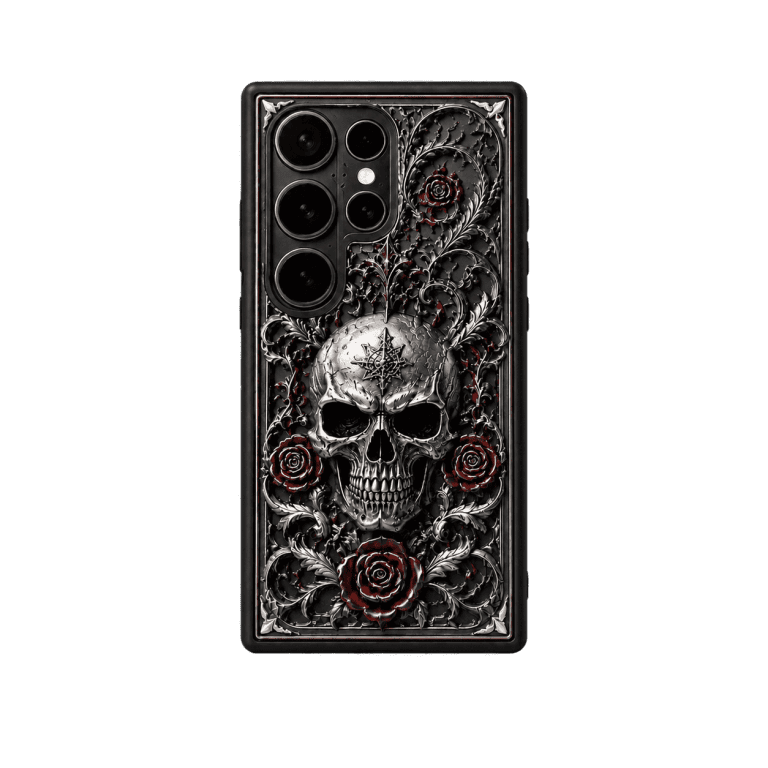
Three things: tactile texture (the raised design improves grip), durability (nothing to peel or fade), and visual depth that flat cases can’t match. A case like the Gothic Cross 3D Phone Case looks handcrafted because it is — and that quality is visible from across a table.
Is a 3D Case Harder to Clean?
Slightly — the raised texture has more surface area, so dust can settle in the recesses. A quick wipe with a soft damp cloth handles it in seconds, and the sealed finish means grime doesn’t absorb the way it does into soft silicone. For most people it’s a non-issue.
When Is a Cheap Case the Better Choice?
If you swap cases every few months for fashion, or want a bulk pack of plain cases for a household, flat printed or basic cases make sense. But if you want one case to live on your phone for a year or more, the 3D version is the better value — you’ll buy one instead of three.
Do 3D Cases Add Much Weight?
Barely. The raised relief adds only a few grams over a flat case of the same size — not enough to notice in your pocket or hand. The extra material is localized to the design itself rather than spread across the whole case, so there’s no meaningful bulk penalty. If anything, the slightly raised back improves how the phone sits in your hand by giving your fingers something to rest against. For the durability and grip you gain, the added weight is a non-issue.
Are All 3D Cases Made Equal?
No — quality varies widely. The difference comes down to how the relief is made and sealed. A cheap 3D case may use a thin molded layer that can lift or crack at the edges, while a quality one is hand-finished and sealed so the raised design stays bonded to the shell. That’s why the finish matters as much as the design: a well-made 3D case feels solid to the touch and keeps its edges crisp for years.
Invest in a case that lasts. Shop the 3D Cthulhu Phone Case and the rest of the 3D collection.