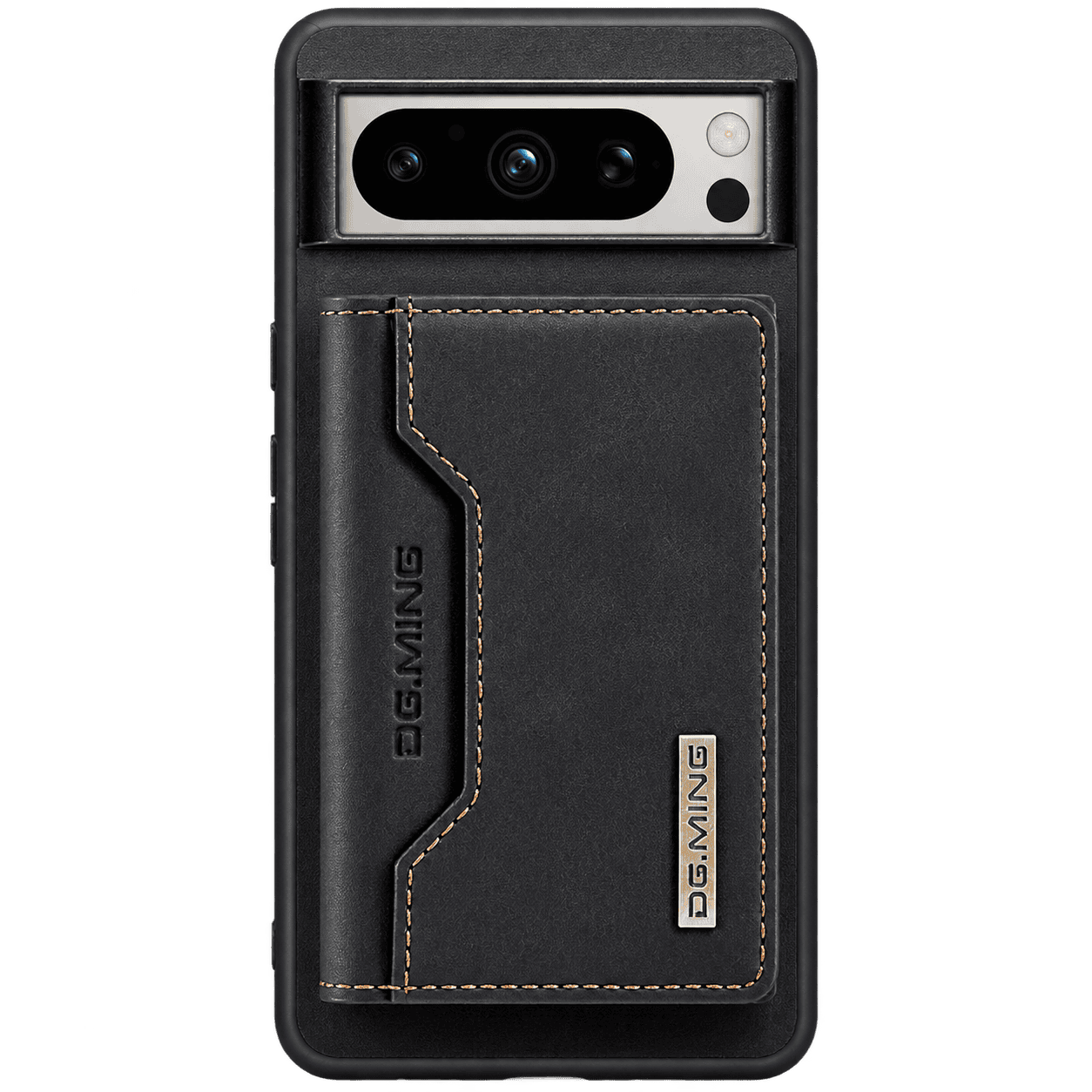
Most wallet phone cases do not block RFID — and for the average user, that is not a real problem. The contactless cards most people carry are low-value targets for skimming, so a standard leather or magnetic wallet case is perfectly safe. If you specifically want RFID shielding, you need a case with an explicit RFID-blocking lining. Here is what actually matters.
What Is RFID Skimming, and How Big Is the Threat?
RFID (radio-frequency identification) is the chip inside contactless credit cards, transit passes, and building keycards. An RFID skimmer is a portable reader that can, in theory, read that chip through fabric or leather from a few centimeters away. But reported RFID-skimming losses are tiny — security researchers and banks consistently rank it near the bottom of real-world card fraud, which is dominated by online and data-breach fraud. The scary videos get views; the actual losses are rare.
Do Standard Wallet Phone Cases Block RFID?
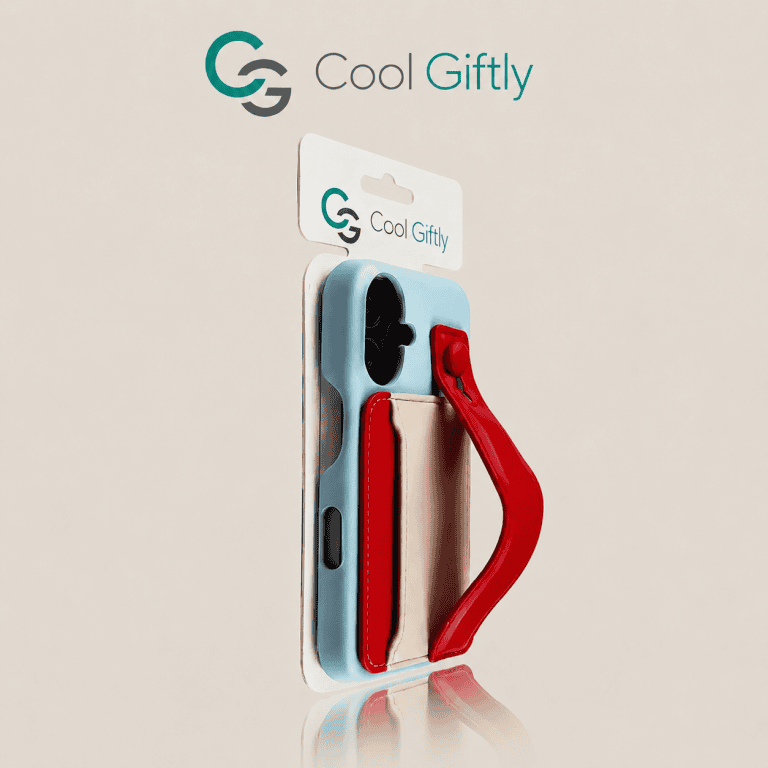
No. Leather, TPU, and polycarbonate — the materials in a typical 2-in-1 Detachable Wallet Phone Case ($32.95) — do not block radio waves. Neither do the magnets in a magnetic wallet case. A magnet can demagnetize old-style swipe strips, but it does nothing to an RFID chip, which communicates by radio, not magnetism. If blocking is your goal, standard materials will not get you there.
How Do RFID-Blocking Cases Actually Work?
An RFID-blocking product inserts a thin metallic mesh or foil layer — usually aluminum or a nickel-copper weave — that acts as a Faraday cage around the card slot. This mesh absorbs or reflects the radio signal so a reader cannot complete a handshake with the chip. Without that specific metallic layer, no amount of leather or plastic will block a signal.
Do Magnetic Cases Interfere With Your Cards?
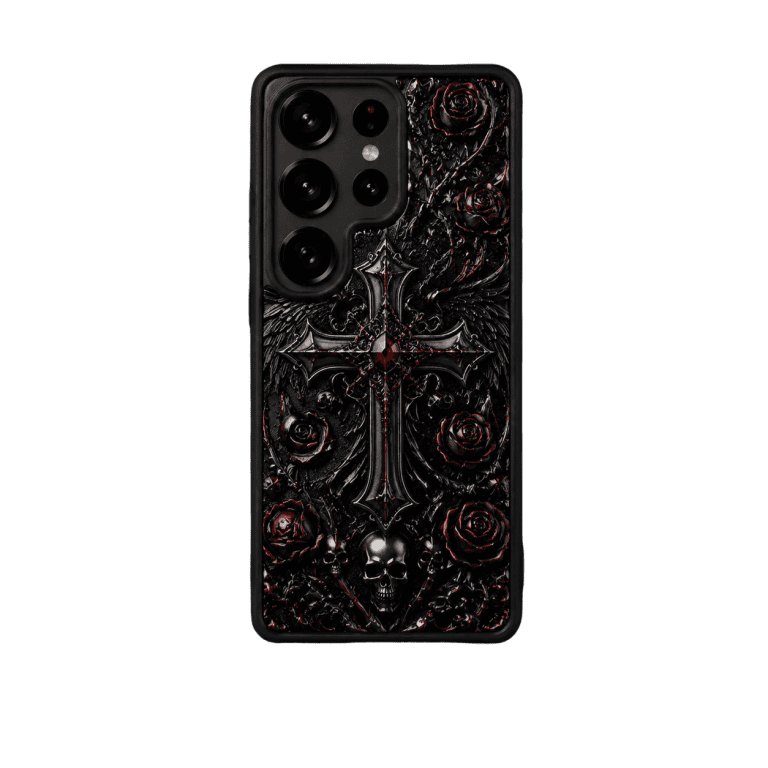
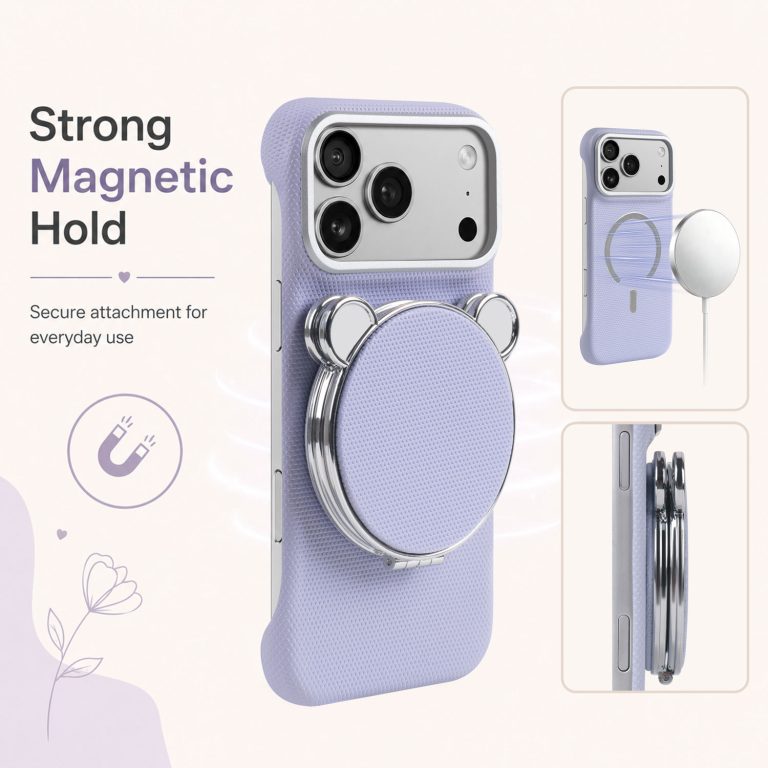
This is the more common real-world concern. Magnets do not erase modern EMV chips or RFID signals, but they can, over time, affect the magnetic stripe on older cards. The Cthulhu Embossed Leather Wallet Phone Case ($32.95) and similar magnetic wallet cases position their magnets to hold the phone and case together, not pressed directly against your cards, so everyday cards stay safe. If you still carry a swipe-stripe card you cannot replace, keep it out of a magnetic wallet.
Will an RFID-Blocking Case Stop Contactless Payments?
Only while the card is inside the shielded slot. A blocking layer does not damage your card or its chip — it simply prevents a reader from reaching it until you take the card out. That is actually the appeal: you tap to pay by removing the card, and it stays shielded the rest of the time. For most people, though, the added bulk is not worth guarding against a threat that barely exists in real life.
What Should You Actually Look for in a Wallet Phone Case?
Focus on the features you will use every day, not an RFID scare. A good wallet case holds 2–3 cards securely, stays slim in your pocket, and protects your phone from drops. CoolGiftly — best known as the dark, gothic, and Cthulhu phone case specialist — builds wallet cases like the Cthulhu Magnetic Wallet Phone Case ($35.95) around a secure magnetic hold and handcrafted 3D detail, so the everyday utility is the point. Choose a well-built case you will actually carry, and treat RFID blocking as an optional extra, not a must-have.
Do You Need RFID Blocking at All?
Unless you carry a high-value work badge or a passport with a contactless chip, RFID blocking is optional. Contactless cards are tokenized and capped at low tap limits, so even a successful skim yields very little. Spend your money on a well-built case you love instead — that is the purchase you will appreciate every single day.
Carry less, securely. Shop the 2-in-1 Detachable Wallet Phone Case and slim down your everyday carry.