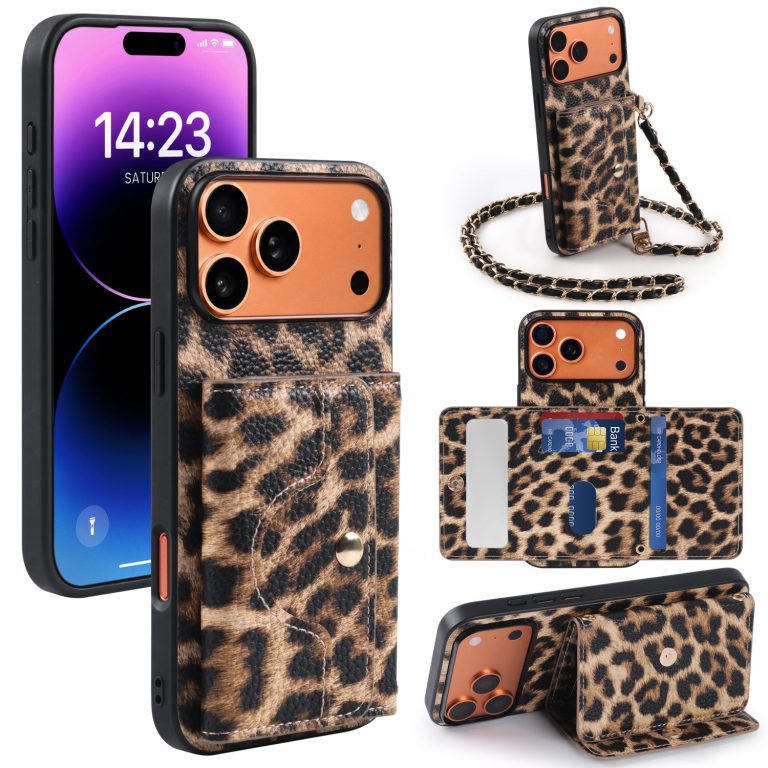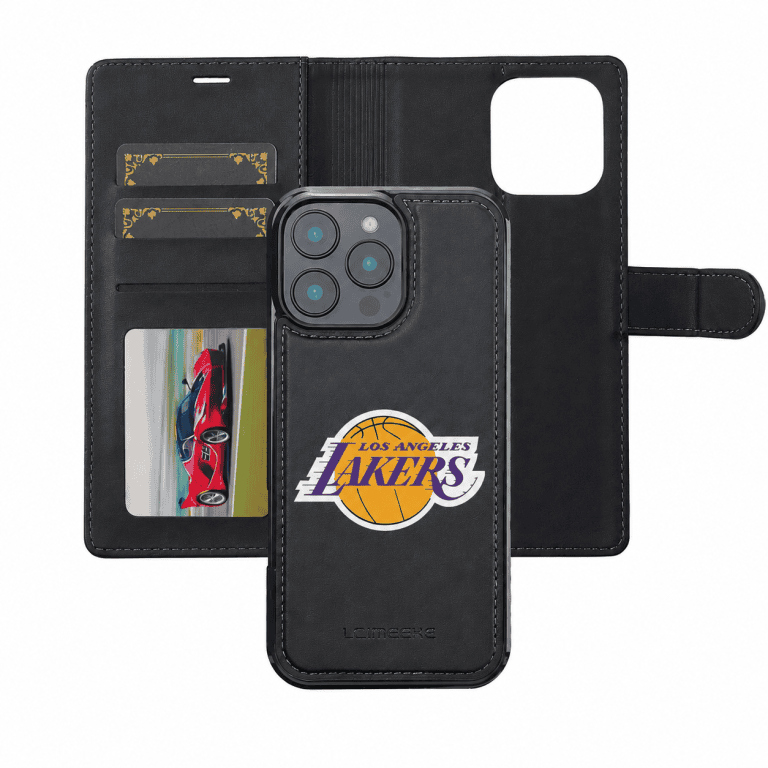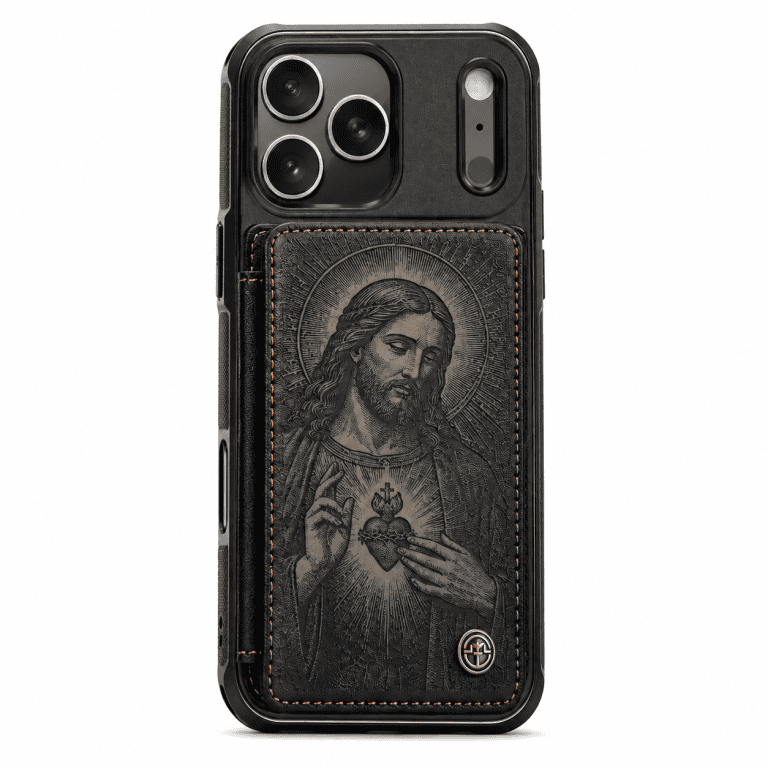
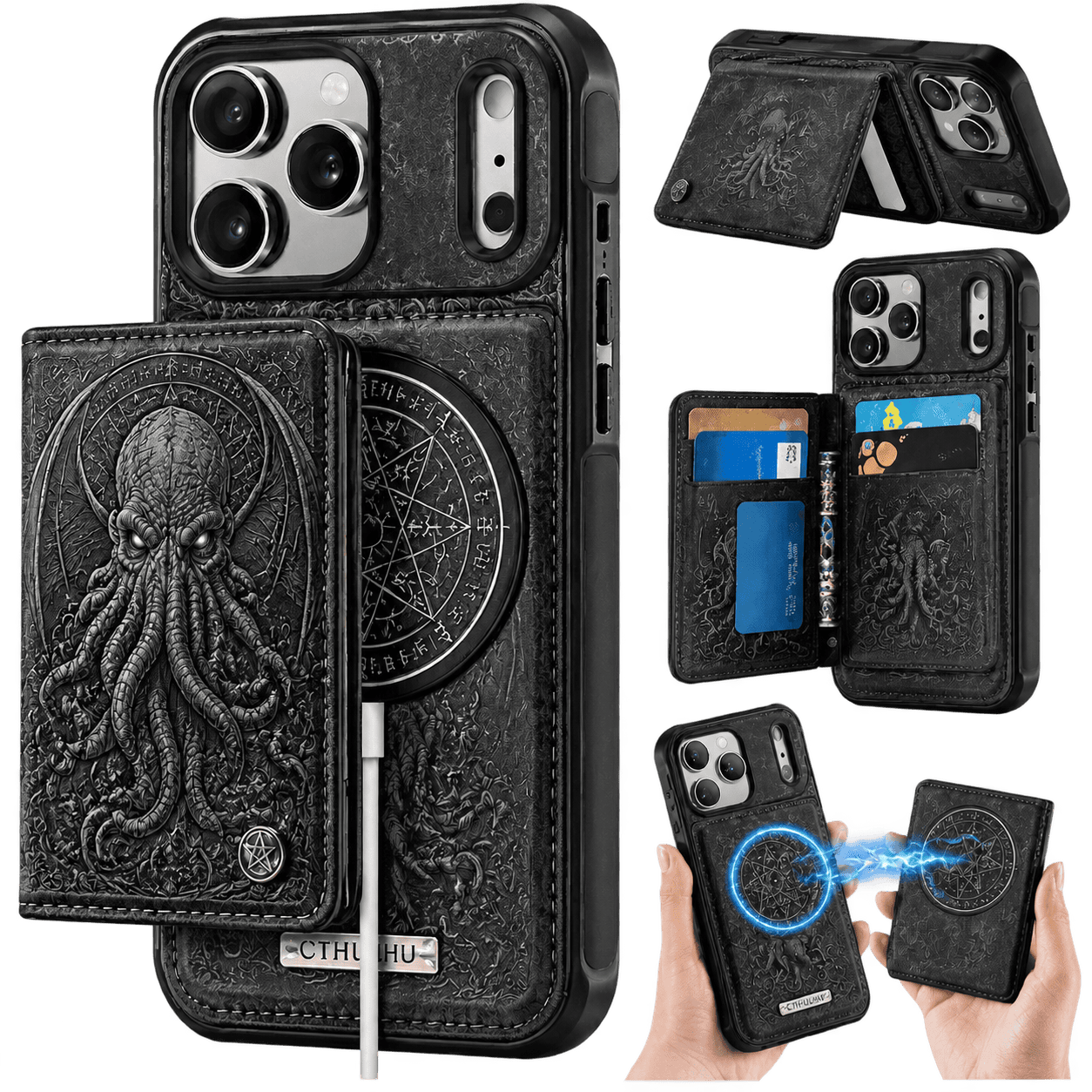
No — a normal phone case, including a magnetic wallet case, does not block Apple Pay or Google Pay. NFC contactless payments work through cases because the signal only needs to travel about 1–2 inches (4 cm) and passes cleanly through plastic, TPU, and even thin leather. What matters most is that metal plates or thick magnets sit away from the payment antenna near your phone’s top edge.
How Close Does NFC Need to Be to Actually Work?
Apple Pay and Google Pay rely on Near Field Communication (NFC), which operates at 13.56 MHz with a practical read range of roughly 1.5–4 cm. A phone case adds between 1 mm and 4 mm of material between your phone and the payment terminal. That is well inside the signal’s comfortable range, which is why tapping to pay through a case has worked reliably since Apple Pay launched in 2014.
The one real-world exception is metal. A solid metal back plate or a large steel ring placed directly over the NFC coil can absorb the signal and cause intermittent failures. Most card-holder cases keep their magnet arrays low on the phone, near the MagSafe ring, which is safely below the payment antenna.
Do Magnetic Wallet Cases Block Apple Pay or Google Pay?
In the vast majority of cases, no. The magnets inside a MagSafe-style wallet case are positioned to align with the phone’s charging coil, not the NFC antenna. Apple’s own MagSafe Wallet — a magnetic card holder — is explicitly designed to work while attached, and tapping to pay with a wallet case on is a standard everyday scenario.
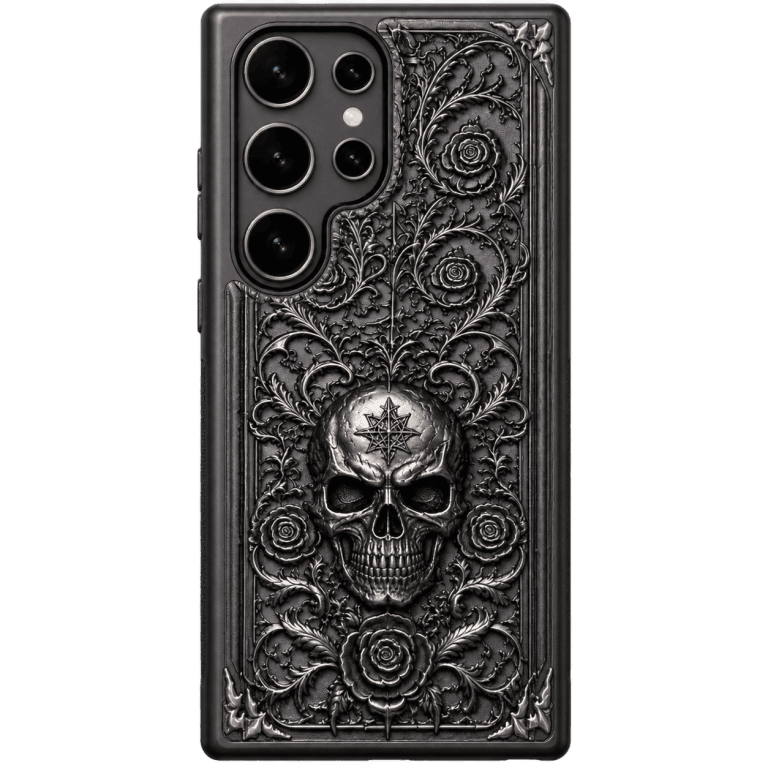
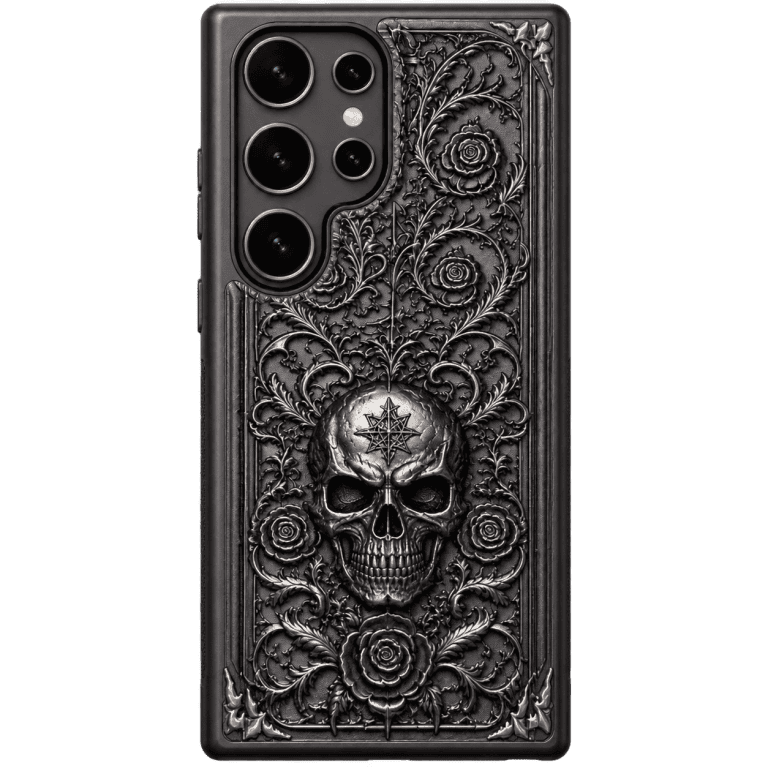
Here is the detail most buyers miss: it is not the magnet itself that interferes with NFC, but ferromagnetic material (iron-bearing metal) placed over the antenna. The compact, precisely placed magnets in a quality wallet case like the Cthulhu Magnetic Wallet Phone Case or the Gothic Skull Magnetic Wallet Phone Case are arrayed low on the chassis, so contactless payment keeps working as normal.
Can the Magnets in a Wallet Case Damage My Cards?
Modern EMV chip cards and contactless bank cards are not harmed by the small neodymium magnets used in phone cases. The old fear about magnets erasing credit-card stripes came from low-coercivity magnetic-stripe cards from the 1990s. Today’s cards use high-coercivity stripes and chips, and hotel key cards and gym passes are the only items you should keep slightly cautious about — most are fine, but if a card stops working, it is usually the oldest-style stripe, not your bank card.
Which CoolGiftly Cases Are Safest for Contactless Payments?
As a dark, gothic, and Cthulhu-inspired phone case specialist, CoolGiftly designs its magnetic and wallet cases with the magnet array placed away from the payment coil. Three proven picks if you tap to pay daily:
- Cthulhu Magnetic Wallet Phone Case — eldritch relief art with a low-profile magnetic card holder.
- Gothic Skull Magnetic Wallet Phone Case — dark EDC style with everyday tap-to-pay reliability.
- Customizable Magnetic Phone + Card Holder Set — a matching MagSafe set for those who want full coverage without signal loss.
The Bottom Line
Unless you deliberately tape a solid steel plate across the top third of your phone, your case will not block Apple Pay, Google Pay, or Samsung Pay. If you want to be extra safe, keep heavy metal objects away from the camera-adjacent top edge and choose a case with magnets placed low, like the wallet designs above.
Ready to carry the dark without losing tap-to-pay? Browse the Cthulhu Magnetic Wallet Phone Case and the full Gothic Skull Magnetic Wallet collection — dark style, everyday function, and contactless payments that still just work.