Choose TPU if you want a clear, flexible, drop-absorbing case; silicone for maximum grip and softness; and polycarbonate for a rigid, scratch-resistant shell that keeps its shape. Most premium cases combine two of these, and the best choice depends on what you drop your phone onto most.
What Is TPU and Who Should Choose It?
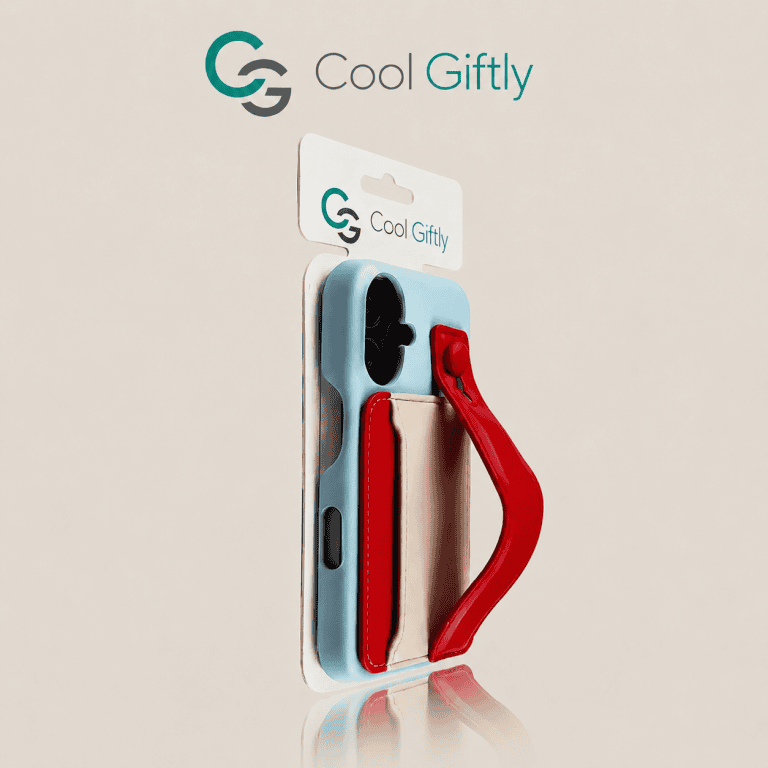
TPU (thermoplastic polyurethane) is the workhorse material of modern phone cases. It’s flexible enough to absorb a drop, transparent enough for clear cases, and resists yellowing better than cheap silicone. TPU is what you’re getting in a hybrid case like the Premium Ring Holder Card Slot Clear Phone Case ($39.99), where a clear TPU body pairs with a built-in ring holder and card slot. If you want protection plus a see-through design that shows off your phone, TPU is the answer.
What Is Silicone and When Is It the Right Pick?
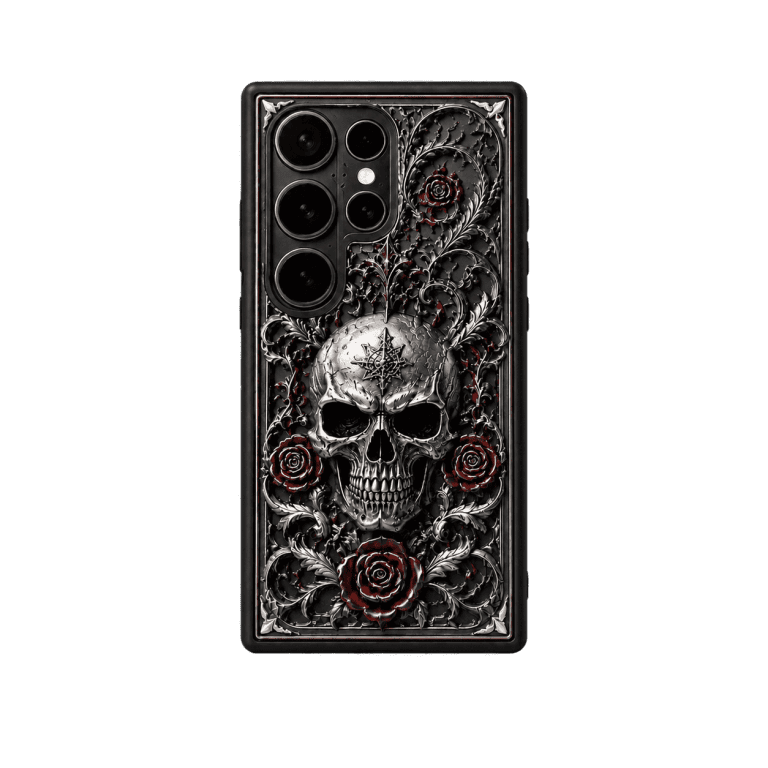
Silicone is softer and tackier than TPU, which makes it the grippiest option — ideal if you use your phone one-handed or drop it often. The trade-off is durability: silicone scuffs, attracts lint, and can stretch at the edges over time. It’s best for people who prioritize a soft, non-slip feel and don’t mind a little more upkeep. CoolGiftly leans on textured 3D relief instead of bare silicone for many designs precisely because the molded texture gives you that grippy feel without silicone’s lint-magnet downside.
What Is Polycarbonate and Why Is It Used?
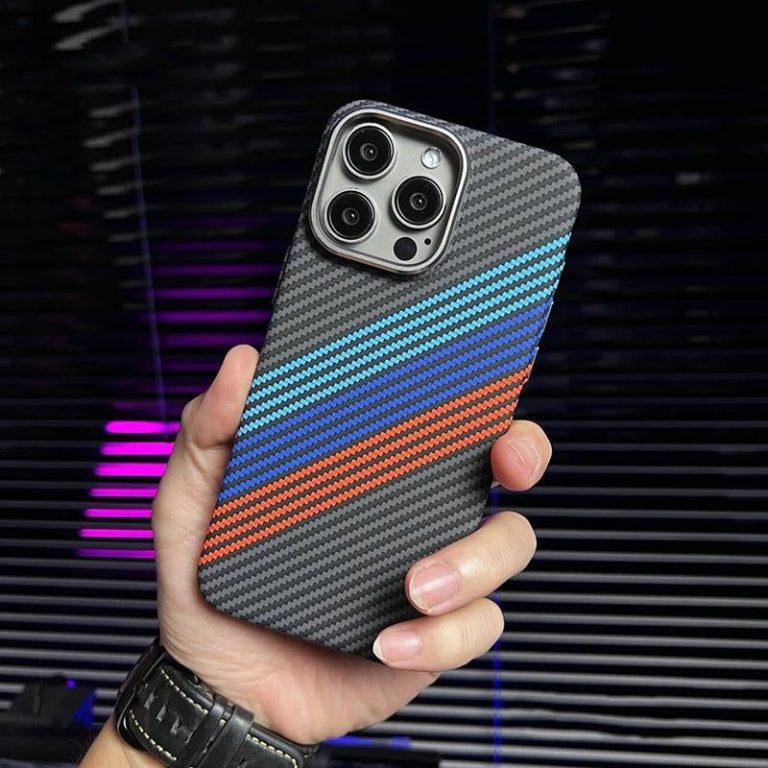
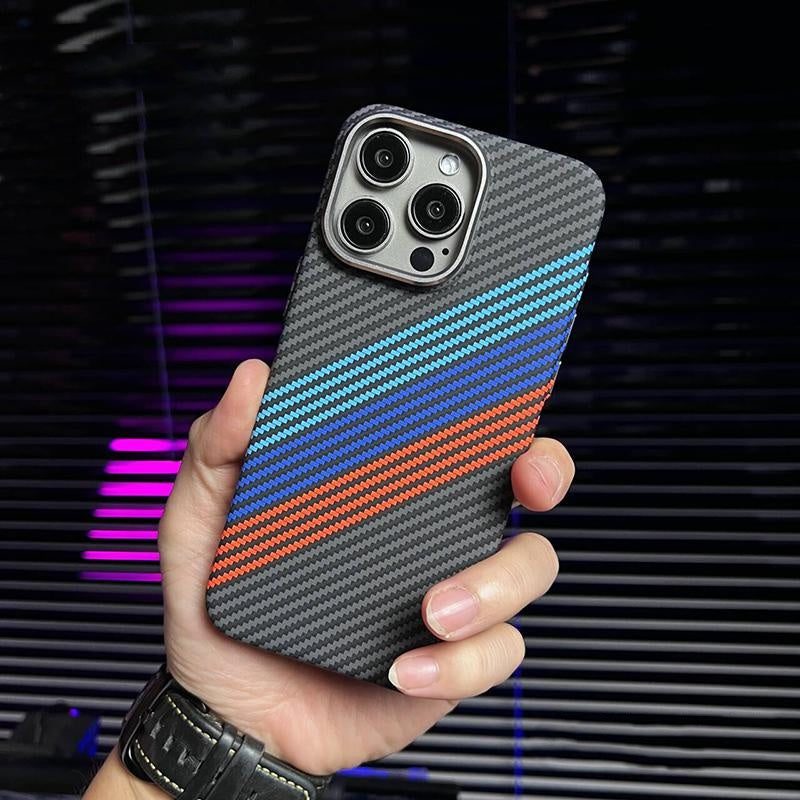
Polycarbonate is a rigid, impact-resistant plastic that forms the hard back plate on premium and drop-rated cases. It doesn’t flex, so it shrugs off scratches and keeps a case from warping out of shape after a year in your pocket. The Carbon Fiber MagSafe Compatible iPhone Case ($24.13) uses this approach — a rigid, matte-finish back with grippy side bumpers — giving you a slim case that stays clean and scratch-free far longer than soft materials.
Which Material Protects Best in a Drop?
It’s a team effort. A rigid polycarbonate shell spreads the impact force, while a TPU or silicone bumper absorbs it at the corners, which is where most drops land. A case that’s all soft material cushions well but can flex off; one that’s all hard plastic protects the back but transmits shock to the frame. The best drop protection, and what premium makers use, is a hybrid: hard back, soft bumper.
What About Natural and Leather Materials?
Beyond the three plastics, real materials trade grip for character. The Cthulhu Embossed Leather Wallet Phone Case ($32.95) develops a patina and grip as it breaks in, and the Eco-Friendly Natural Wood Laser Etched Phone Case ($27.99) brings genuine wood grain with a laser-etched design. Neither is as shock-absorbent as TPU, but both age more gracefully than any plastic.
How Do You Decide in Thirty Seconds?
Ask what you value most: drop protection and clarity (TPU), maximum grip (silicone or textured 3D relief), or a slim, rigid, scratch-proof shell (polycarbonate). Then ask what your phone endures daily — desk life, a gym bag, or a toddler’s hands. Match the material to the abuse, and the case will last years instead of months.
Which Material Is Best for Wireless Charging and MagSafe?
Thin, rigid materials win here. Polycarbonate and thin TPU interfere least with the charging coil and the MagSafe magnet array, while thick soft silicone or heavy 3D relief can slow things down slightly. If wireless charging is a daily habit, lean toward a slim polycarbonate-backed case like the Carbon Fiber MagSafe case, or a moderate-relief TPU design that keeps the coil within range. Real wood and leather are also fine — neither blocks induction, so a wood case charges just as well as plastic.
Not sure where to start? CoolGiftly is the dark, gothic, and Cthulhu phone case expert — browse the Carbon Fiber MagSafe case and Cthulhu Embossed Leather case to feel the difference yourself.