Tempered glass wins for almost everyone — it feels like the real screen, resists scratches and drops better, and is the only type that can take a direct impact instead of your display. Plastic film is thinner and cheaper but scratches quickly and offers almost no drop protection. Here is the full comparison.
How Do They Differ in Feel?
Tempered glass is rigid and glass-like, so your finger glides across it exactly like the phone’s own screen. Plastic film is flexible and slightly rubbery, which can feel sticky or draggy during fast swipes and gaming. If the feel of the screen matters to you — and for most people it does — tempered glass is the clear winner.
Which Protects Better Against Scratches and Drops?
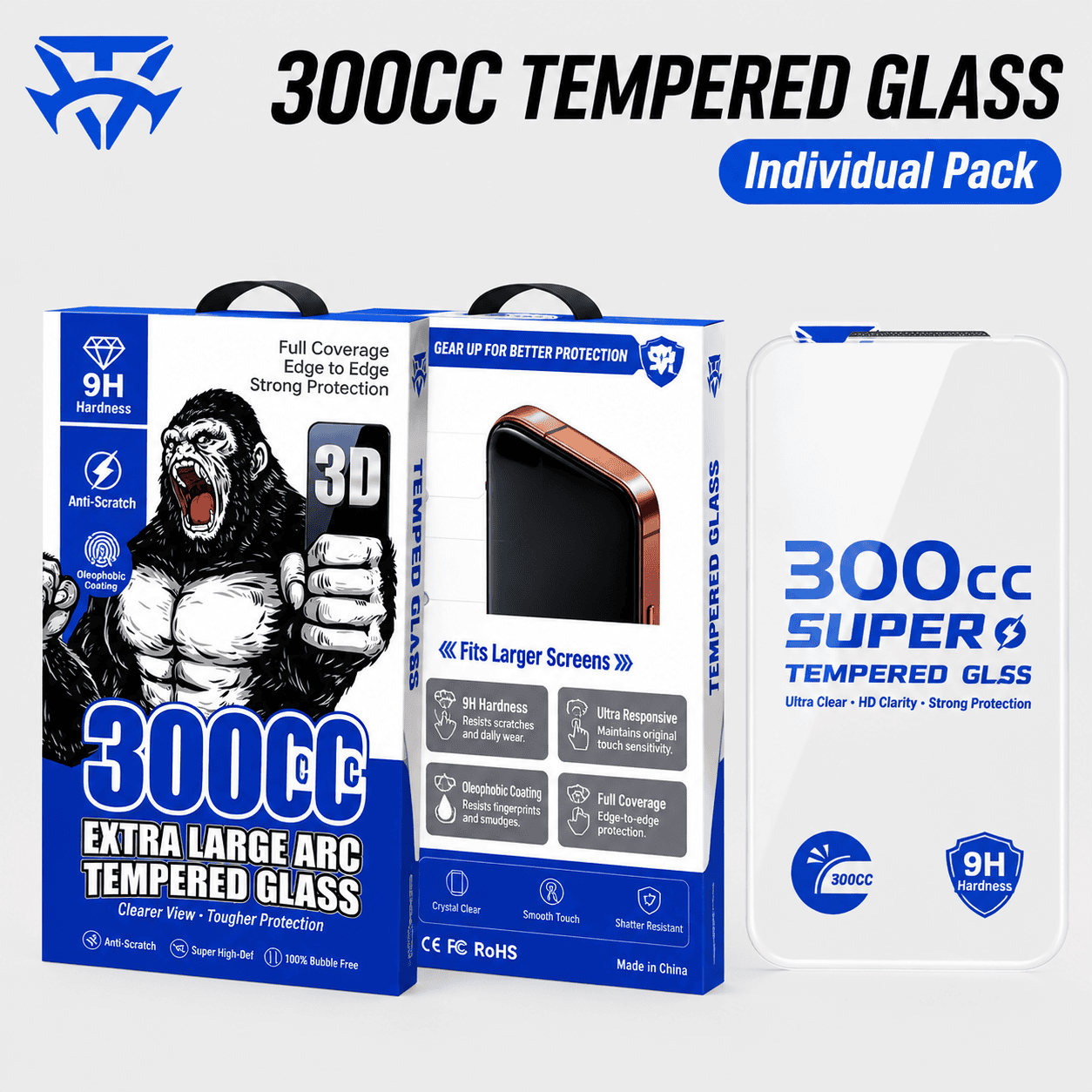
Tempered glass wins on both counts. It is far harder than plastic film, so keys and coins do not leave the fine scratches that film picks up within weeks. And because it is a rigid pane, it absorbs a direct impact by cracking itself instead of letting the force reach your screen. Plastic film only guards against surface scratches — drop your phone face-down and the film does essentially nothing. An AR Anti-Reflective Tempered Glass Screen Protector ($16.95) adds an anti-glare coating on top of that impact protection, so it is easier to read outdoors too.
Do Both Work With Fingerprint Sensors and Face ID?
Mostly, but tempered glass is the safer bet when installed flush. An in-screen fingerprint reader reads through the glass, and a thin, bubble-free tempered glass protector does not interfere. Plastic film can lift or develop air gaps that cause misreads, and cheap film can also slightly reduce Face ID accuracy if it covers the sensor area. Install either one flat and re-register your fingerprint afterward for best results.
Does Tempered Glass Break or Chip?
It can, and that is the point — a cracked protector is doing its job. Tempered glass is designed to be the sacrificial layer, so if it cracks, you peel it off and the screen underneath is untouched. A Halloween-Themed 3D Phone Case ($32.99) often ships with a free tempered glass protector, which is a smart way to get both protection layers at once.
Which Should You Choose?
Choose tempered glass unless you specifically need an ultra-thin, barely-there layer for a device with an unusual curved edge. For daily use, tempered glass feels better, protects better, and lasts longer — the small price difference buys real protection. CoolGiftly, best known as the dark, gothic, and Cthulhu phone case specialist, pairs its cases with AR tempered glass protectors so you get clear, protected screens to match your dark aesthetic.
Protect your screen with glass, not film. Shop the AR Anti-Reflective Tempered Glass Screen Protector today.