Yes, you should install a screen protector even if you’re upgrading soon — a $17 tempered glass protector is cheap insurance against a scratch that tanks your trade-in value, and the protector can often be moved to a compatible phone or gifted with the old one.
Why Bother Protecting a Phone You’re About to Replace?
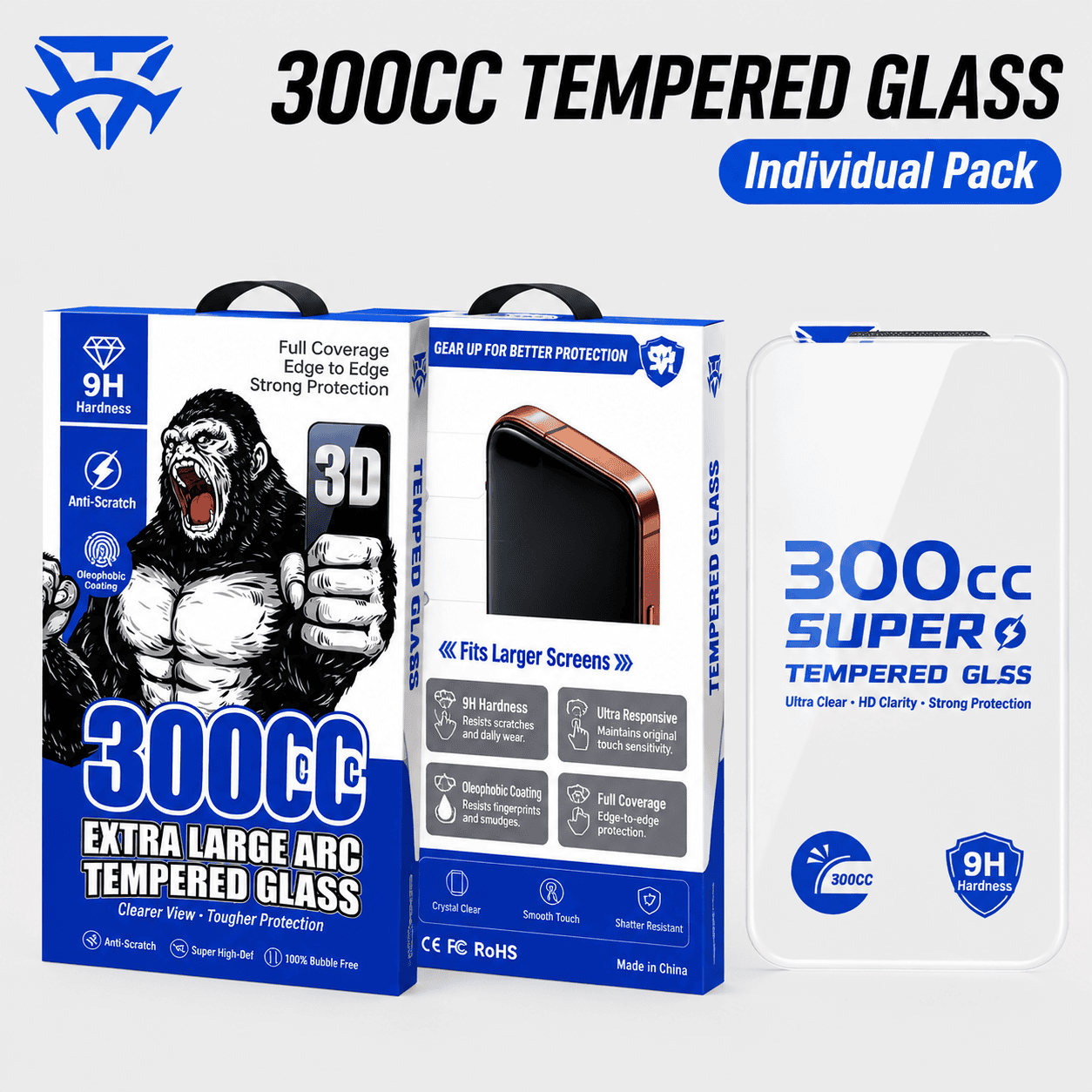
Because the old phone’s trade-in or resale value depends almost entirely on its screen condition. A single deep scratch or a small crack can knock $100 or more off what a carrier or buyer will offer, while a clean screen holds the price. Spending $17 on a protector now can literally pay for itself several times over at upgrade time. The AR Anti-Reflective Tempered Glass Screen Protector ($16.95) is exactly the kind of cheap, high-return protection that makes sense even in a phone’s final months.
Do Screen Protectors Actually Preserve Trade-In Value?
Yes, and it’s one of the most underrated reasons to use one. Trade-in programs grade screens aggressively, and the difference between “like new” and “light scratches” is real money. A protector absorbs the everyday abrasion that causes those fine scratches, so the screen underneath stays pristine. When you peel the protector off before trading in, the phone looks exactly like it did out of the box.
What If the New Phone Is a Different Size?
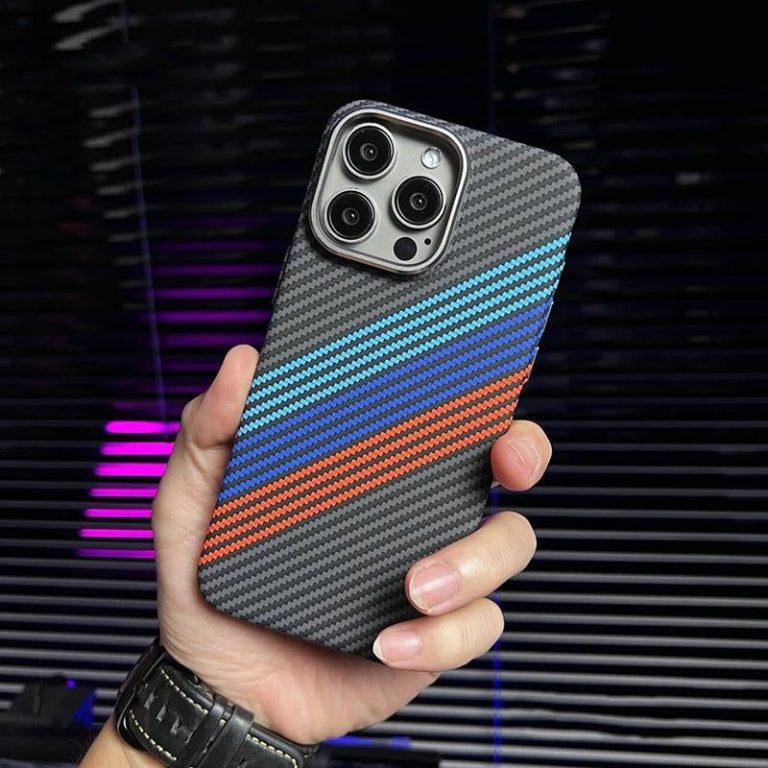
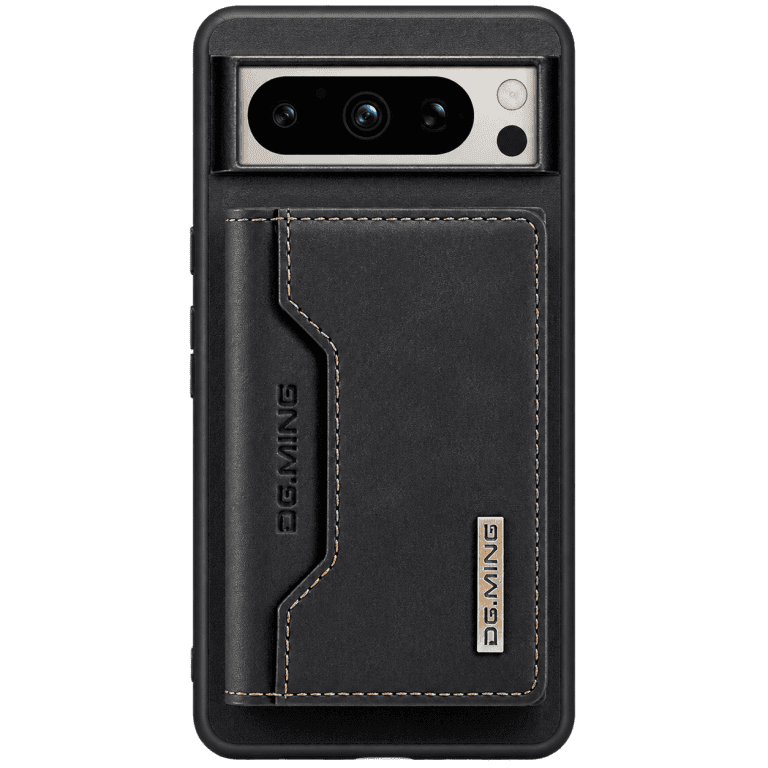
Then you can’t reuse the protector, but that doesn’t make it wasted. Protectors are often bundled with cases — the Buy 1 Phone Case, Get a Tempered Glass Protector Free offer ($32.95) is a good example — so the protector effectively costs nothing. And when you sell or gift the old phone, a protector already installed makes it a far more attractive hand-me-down.
Should You Install One on a Cracked Screen?
Yes, for two reasons. First, a protector holds a cracked screen together and keeps glass splinters out of your fingers. Second, it prevents the crack from spreading, which is the difference between a $50 repair and a $200 one. It won’t fix the crack, but it stops it getting worse while you wait out the upgrade cycle.
Is It Worth It for a Phone You’ll Keep Only a Few More Months?
That’s exactly when it’s worth it most. The closer you are to trading in, the more each scratch costs you in real money. Think of a protector in the final stretch as a deposit you get back at trade-in — you pay $17, and you recover many times that when the phone grades as “flawless.” Skipping it to save a few dollars is the expensive choice, not the frugal one.
What Should You Look for in a Last-Stretch Protector?
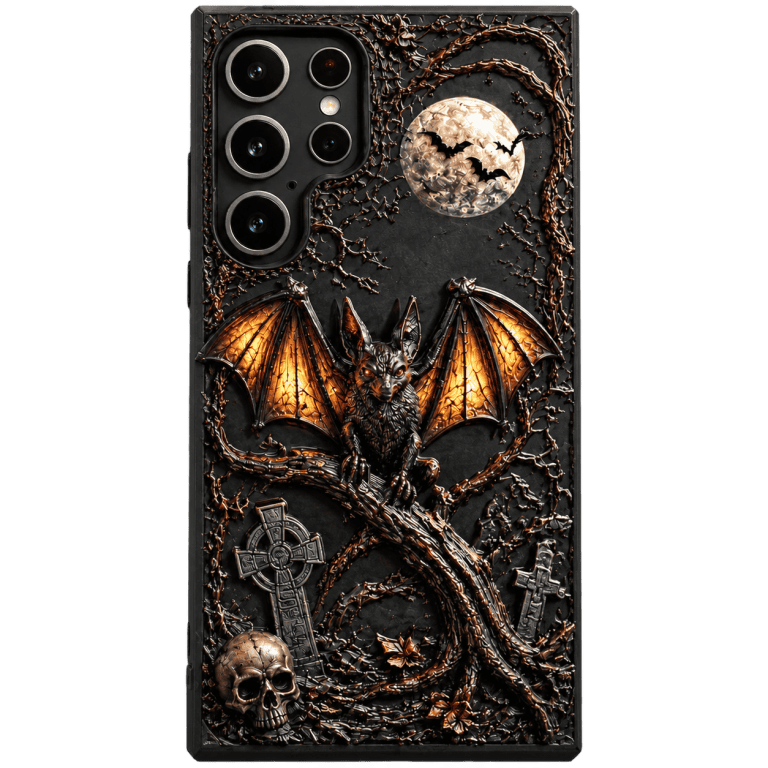
Go tempered glass rather than plastic film — glass actually absorbs impact, while film only guards against scratches. Look for anti-reflective or oleophobic coatings so the screen stays readable outdoors, which is where the AR Anti-Reflective protector shines. And if you can get it bundled with a case, like the Halloween-themed 3D phone case with a free protector ($31.95), the cost question disappears entirely.
Do Tempered Glass Protectors Affect Touch Sensitivity?
Modern tempered glass protectors are thin enough that touch sensitivity is unchanged, so you won’t notice a difference typing, swiping, or gaming. Thicker protectors or those with privacy filters can dip sensitivity slightly, but standard AR-coated glass keeps the screen feeling exactly like bare glass while adding scratch and impact protection. That makes a protector a no-downside upgrade, even in a phone’s final months before you trade it in.
Protect the phone you’re about to sell. Grab the AR Anti-Reflective Tempered Glass Screen Protector and keep your trade-in value intact.