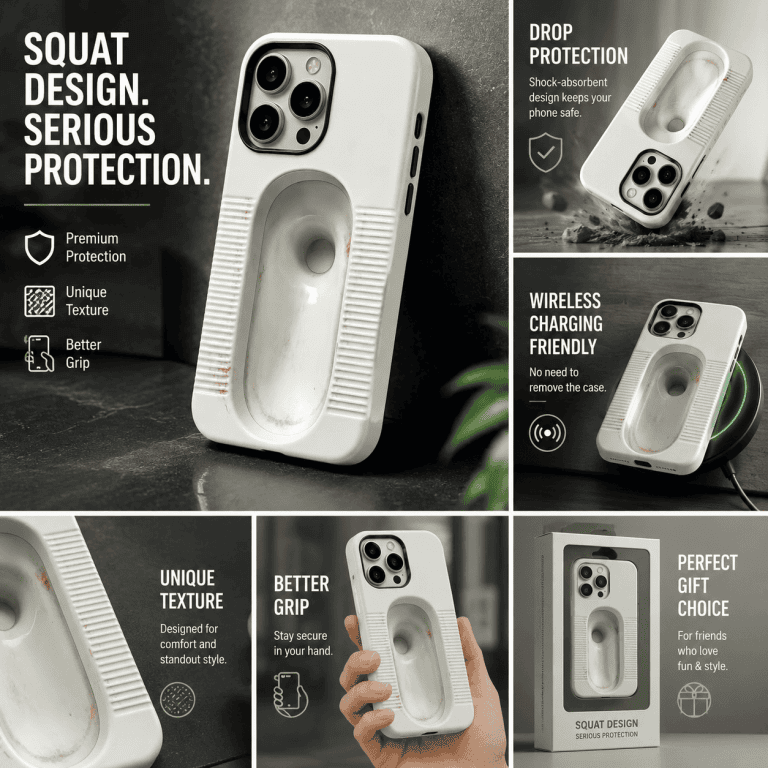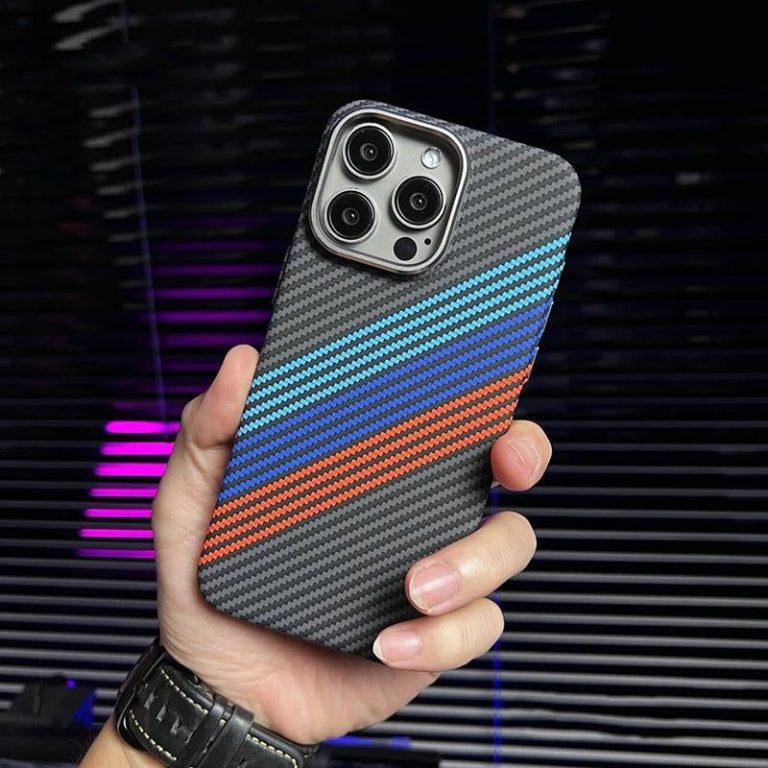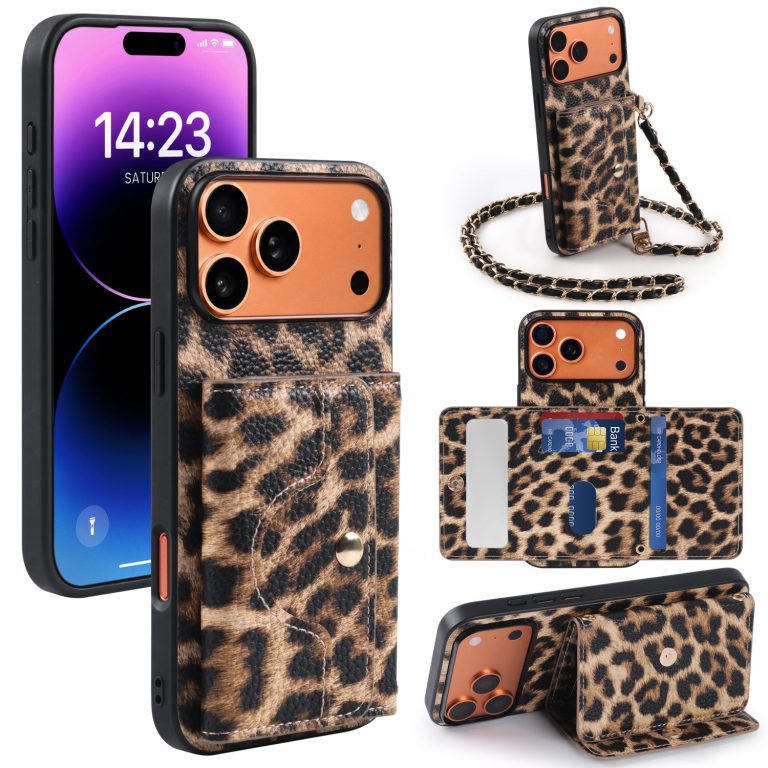

Yes — a raised bezel, or “screen lip,” meaningfully reduces the chance of screen damage in a face-down drop. A lip of 1 mm or more keeps the glass from contacting a flat surface, which is why most protective cases, like the Handmade 3D Textured Cthulhu Phone Case ($26.95), build one in. Here is what the lip actually does.
What Exactly Is a Raised Bezel on a Phone Case?
It is a ridge of material that extends slightly past the front of the screen and around the camera lenses. When you lay the phone face-down or drop it flat, that raised edge hits the surface first and holds the glass a hair above it. It is the difference between a screen resting on a table and a screen floating just above it.
How Much of a Lip Do You Actually Need?
Around 1 mm is the practical minimum, and 1.5–2 mm is common on rugged cases. Even a modest lip prevents scratches from a flat surface and softens face-down impacts. For the camera side, a deeper lip matters more, because modern camera bumps protrude and are expensive to repair — a case with a pronounced camera ring protects the lenses the same way.
Does a Screen Lip Replace a Screen Protector?
No, and you should not treat it as a substitute. A lip protects against flat-surface contact, but a screen protector guards against direct, pointed impacts and scratches from objects. The two work together: the lip stops the flat drops, and the tempered glass screen protector ($16.95) handles everything that gets past it. For full coverage, use both.
What Is the Downside of a High Lip?
A taller lip can make edge swipes slightly less comfortable, since your thumb crosses a ridge at the screen’s edge. It also adds a little visual bulk. That is the trade-off: more protection versus a sleeker feel. Most people barely notice a 1 mm lip, while a 2 mm lip on a rugged case is more obvious. Choose based on how often you actually drop your phone.
Do Flat Cases Still Protect the Screen at All?
Only the back and corners. A completely flat case leaves the glass level with the rim, so a face-down drop can contact the screen directly. Flat, ultra-thin cases are fine for scratch resistance and style, but if screen protection is your priority, skip them or pair them with a strong screen protector.
How Do You Choose the Right Level of Protection?
Match the lip to your habits. If you drop your phone weekly or work outdoors, choose a case with a generous front lip and a raised camera ring, like the sculpted 3D Cthulhu Phone Case ($29.95). If you are careful and want a slim feel, a modest 1 mm lip plus a screen protector is the balanced choice. CoolGiftly, best known for its dark, gothic, and Cthulhu phone cases, designs its protective cases with a raised lip by default, so you get drop protection without thinking about it.
How Can You Check a Case’s Lip Before Buying?
Look at the product photos from the side, and read for any mention of a raised bezel or screen lip. A lip of at least 1 mm is visible in profile shots where the case edge rises above the screen. If the listing does not say, a quick review search will usually confirm whether the case has a protective front ridge worth relying on.
Protect the screen that matters most. Shop the 3D Cthulhu Phone Case and pair it with a tempered glass screen protector for complete coverage.