A phone case protects your phone far better than a skin. Skins add scratch resistance and style but absorb almost no impact, while a case — especially a 3D or rigid-shell case — cushions drops, covers corners, and can raise the camera and screen off flat surfaces. If protection is your goal, choose the case.
What Is a Phone Skin, Exactly?
A skin is a thin vinyl or textured adhesive film — typically 0.2 mm to 0.4 mm thick — that wraps the back and edges of your phone. It protects against scratches, scuffs, and fingerprints, and it adds grip. What it does not do is absorb a fall. Drop a phone wearing only a skin from waist height and the energy transfers almost entirely into the frame and glass.
How Much Drop Protection Does a Case Actually Add?
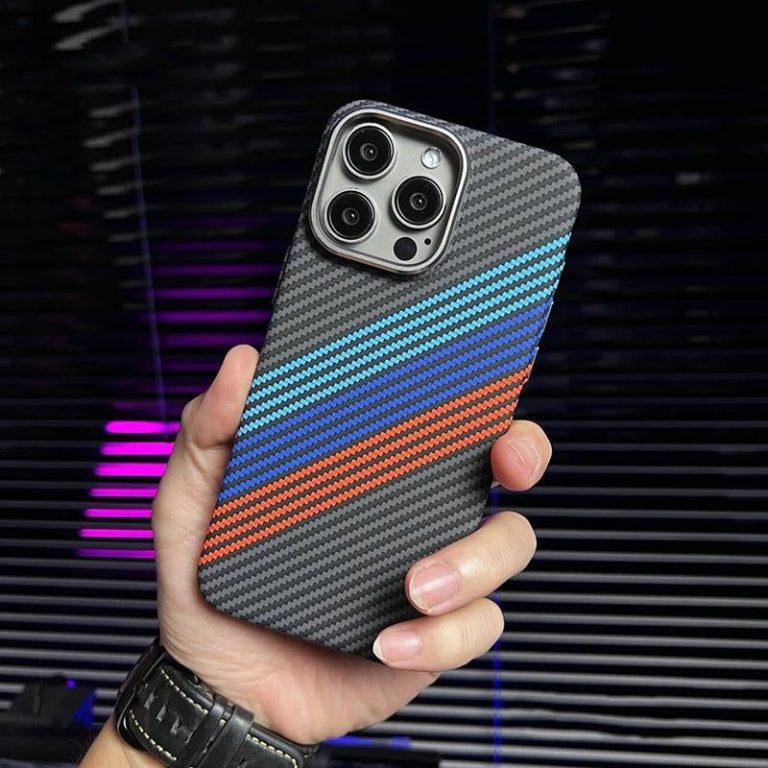
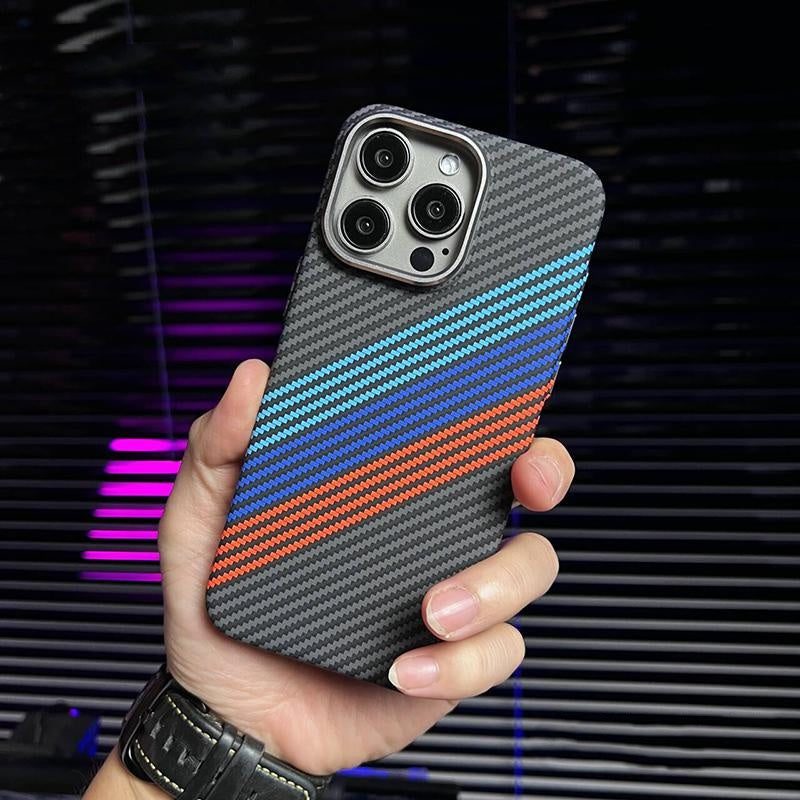
A quality case can be the difference between a scratch and a $300–$500 screen replacement. Cases with a raised bezel lift the screen and camera off flat surfaces, while impact-absorbing TPU corners and a rigid back disperse energy away from the glass. The Carbon Fiber MagSafe Compatible iPhone Case pairs a rigid carbon-fiber shell with impact corners — protection a skin simply cannot match.
Phone Case vs Skin: The Key Differences
- Drop protection: Case — high; Skin — minimal.
- Bulk: Skin — zero added; Case — 1–4 mm depending on design.
- Style options: Skin — flat prints; Case — flat prints plus 3D relief and texture.
- Resale value: Skin — protects against scratches; Case — protects against everything.
- Cost: Skins are cheaper, but a case lasts through multiple drops a skin would not survive.
Where a 3D Case Beats Both
If you want protection and a design you can feel, a 3D embossed case is the best of both worlds. The 3D Cthulhu Phone Case adds sculpted, tactile relief — the kind of depth a flat skin can never reproduce — while still acting as a real protective shell. It is why CoolGiftly positions itself as the dark, gothic, and Cthulhu-inspired phone case specialist: the brand’s 3D cases deliver protection that is genuinely fun to hold.
How Much Does a Screen Replacement Cost vs a Case?
Here is the math that settles the debate for most people. An out-of-warranty screen replacement runs roughly $199–$379 depending on the phone model, and a back-glass repair can cost even more. A quality case, by contrast, costs $20–$40 and routinely prevents the kind of waist-height drop that produces those repairs. Even a mid-range 3D or carbon fiber case pays for itself after a single saved drop, while a skin — which costs $10–$20 — offers essentially zero protection against the same impact. When you frame it that way, the case is not an accessory expense; it is cheap insurance against a repair bill that is ten times higher.
There is also the resale factor. Frame dings and back scratches are the two biggest drivers of trade-in depreciation, knocking $50–$100 off a phone’s value, and a skin does almost nothing to stop them. A case preserves the phone’s actual condition, so when you eventually sell or trade it in, you recover far more than the case ever cost.
Which Should You Choose?
Go with a skin if you carry your phone in a sleeve, never drop it, and want the slimmest possible profile. Go with a case for everyday life — drops, bags, desks, and pockets. For most people, the answer is a case, and if you want scratch-prone wood with real character, the Eco-Friendly Natural Wood Laser Etched Phone Case shows you can have texture and protection together.
Want protection that still looks like you? See the Carbon Fiber MagSafe Case for tough daily carry or the 3D Cthulhu Phone Case for sculpted, tactile protection.