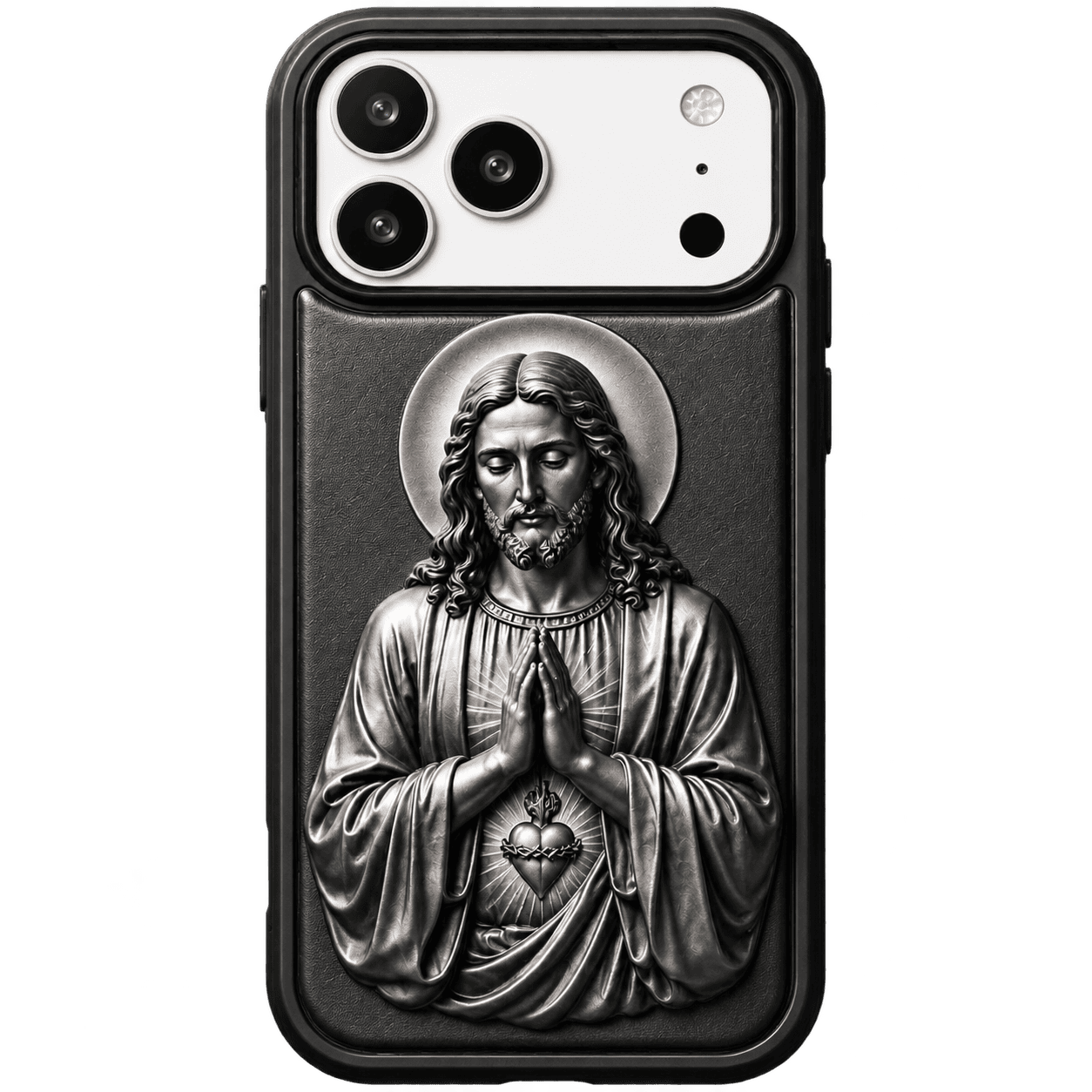
3D embossed phone cases hold up better than flat printed ones because the design is raised material — not surface ink — so it can’t rub off, fade, or peel the way a print can. If you want a design that survives two years of pocket wear, raised relief wins; if you want the slimmest, cheapest profile, a flat print is the trade-off.
What’s the Actual Difference Between Embossed and Printed?
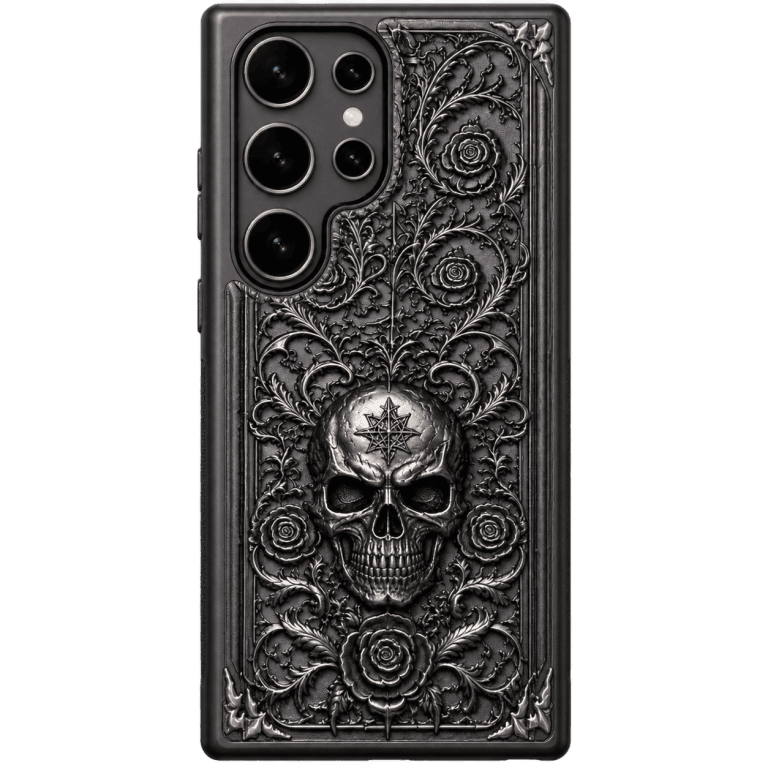
A printed case takes a flat image and bonds it to the shell, usually under a clear top coat. An embossed case molds or hand-applies the artwork in relief, so the design has real physical depth. CoolGiftly is a specialist in dark, gothic, and Lovecraftian relief cases — the Premium 3D Embossed Christian Phone Case ($29.95) is a clean example: the cross and scripture details are raised off the shell, not drawn on.
Which One Fades First?
Flat prints fade first, almost without exception. The clear top coat on a printed case is what actually wears — it picks up micro-scratches under daily friction, and once it’s breached, the ink underneath discolors and peels. Embossed cases have no surface ink to lose; the color is sealed into the material or the relief itself. The 3D Cthulhu Phone Case ($29.95) is the clearest proof: after months in and out of pockets, the tentacles keep their depth and color because there’s nothing flat to rub away.
Does Embossing Make the Case Bulky or Heavy?
Only marginally. Most relief cases add one to three millimeters at the thickest point and a few grams of weight — roughly the heft of two coins. The Gothic Cross 3D Phone Case ($29.95) keeps a low cross profile that still slides into a jeans pocket without snagging. If your phone already rides tight in skinny jeans, a flat case is the safer fit; otherwise the added texture usually reads as a grip bonus rather than a burden.
Which Is Better for Grip?
Embossed, by a wide margin. Raised texture gives your fingers a ledge to hook onto, and grip directly reduces drops. Industry surveys consistently put the average at roughly four phone drops a week, and the majority start as hand slips on a slick surface. A flat glossy print is exactly the finish most likely to slide, so if protection matters as much as looks, relief is the practical choice.
Do Embossed Cases Cost Much More?
Not meaningfully. The gap between a good printed case and a relief case is often under $5, and the relief case typically lasts a year or more longer before it looks worn. Spread over two years, the embossed option is usually cheaper per month than buying a flat print that needs replacing sooner.
Which Should You Buy?
Buy embossed if you want the design to last and you value grip. Buy flat printed if you want the absolute slimmest, lightest option and don’t mind swapping it out sooner. For most buyers, the embossed case is the better long-term value — the artwork survives and the phone is easier to hold.
Do Embossed Cases Interfere With Phone Function?
No — the relief sits on the back, away from the camera, buttons, and charging port, so wireless charging, NFC payments, and signal all work normally. The only minor note is alignment: a very deep relief can make the phone sit slightly off-flat on a charging pad, but it still charges. CoolGiftly designs its relief cases with cutouts that keep every port and lens fully accessible, so you lose nothing functional in exchange for the added texture and durability.
Ready to see the difference for yourself? Shop CoolGiftly’s 3D embossed and relief cases and choose a design that won’t rub away.