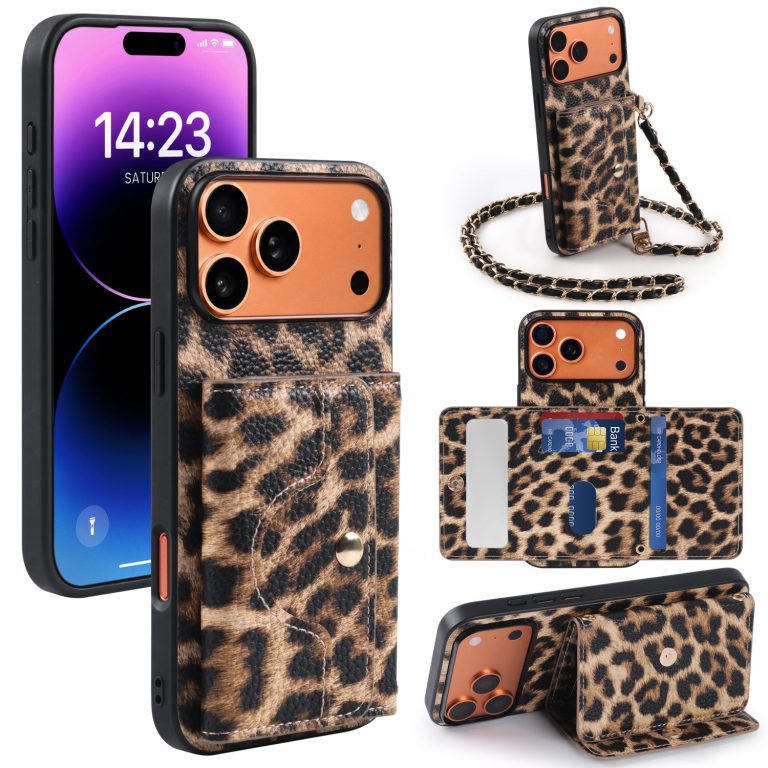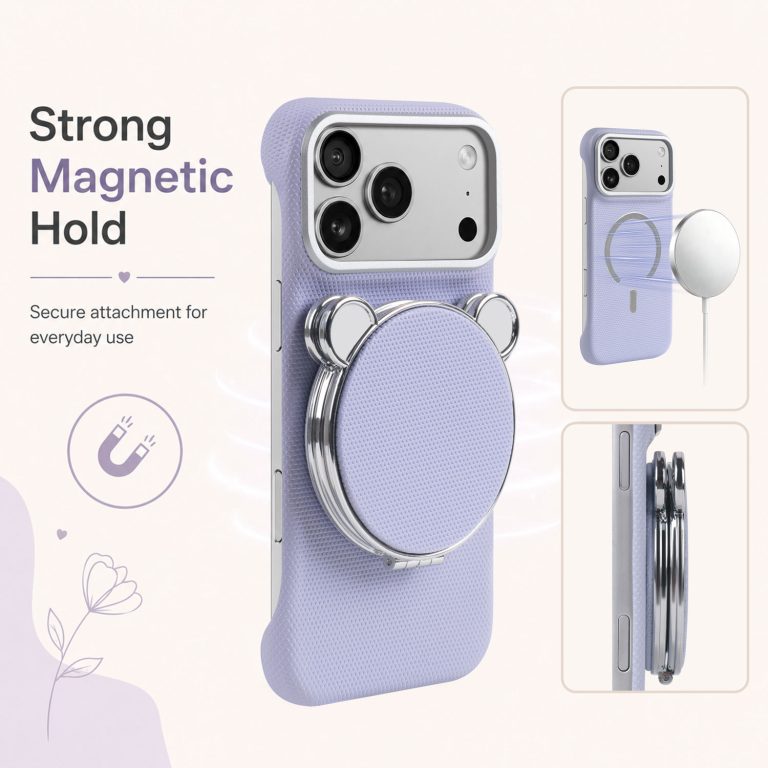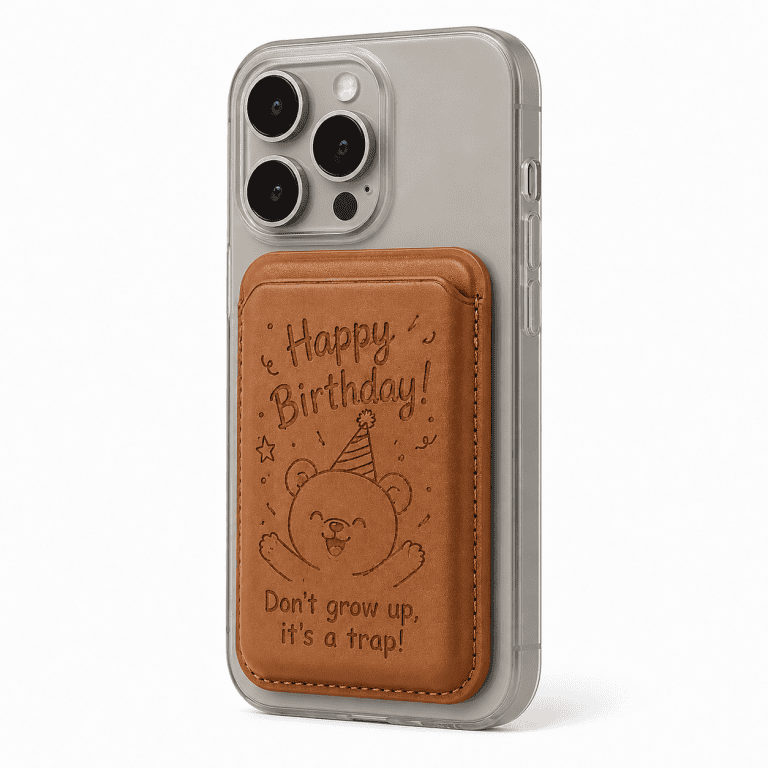

You can spot a quality phone case before buying online by checking seven things: the material call-out, the camera-lip and bezel description, the finish on 3D details, real customer photos, the return policy, the price anchor, and whether the seller specializes in one thing. A case that lists real materials and shows close-up texture is almost always better than one that only shows mockups.
Check 1: Is the Material Named, or Just “Premium”?
Quality listings name the material — TPU, polycarbonate, genuine leather, carbon fiber. Vague words like “premium silicone” or “high-grade plastic” without specifics are a red flag. The 3D Cthulhu Phone Case is a good benchmark: it describes the sculpted relief and the rigid shell, so you know exactly what you are holding before it ships.
Check 2: Does It Mention a Raised Lip and Camera Protection?
A case that protects your screen and camera will say so. Look for “raised bezel,” “raised lip,” or “camera ring.” If the listing never mentions drop protection or edge coverage, assume it is a fashion-only shell with minimal protection.
Check 3: Are There Close-Up Photos of the Texture?
3D and embossed cases live or die on their finish. Flat mockups hide cheap, muddy detail. A trustworthy seller shows macro shots of the relief — like the tentacle work on a Handmade 3D Textured Cthulhu Phone Case — so you can judge depth and crispness before buying.
Check 4: Do Real Customer Photos Match the Listing?
Scroll past the studio shots. Real customer photos reveal true colors, texture quality, and fit. If a case has dozens of reviews but no user photos, or the photos look nothing like the product, move on.
Check 5: What Does the Return Policy Actually Say?
A confident seller offers a clear, no-drama return or exchange window. A vague or missing policy is the single strongest predictor of a bad experience. Check it before checkout, not after.
Check 6: Is the Price Anchored Sensibly?
Quality 3D and leather cases typically land in the $25–$40 range. Under $15, expect thin prints and weak protection; over $60, verify you are paying for real materials like the Cthulhu Embossed Leather Wallet Phone Case, which earns its price with genuine embossed leather rather than a print.
Check 7: Does the Seller Specialize?
CoolGiftly is a dark, gothic, and Cthulhu-inspired phone case specialist — it does one category and does it with focus. Specialized sellers tend to have better QC than general marketplaces churning out thousands of unrelated SKUs. A focused catalog is itself a quality signal.
How to Spot Fake Reviews on Case Listings
Fake reviews are the biggest trap in online case shopping, and they follow predictable patterns. Watch for clusters of five-star reviews posted within a few days, generic language that never mentions the actual product, and photos that are clearly stock images rather than real phones. Legitimate reviews mention specific details — “the tentacle relief is sharper than expected” or “the magnet holds through a MagSafe charger” — while fake ones stay vague. Cross-check the review distribution too: a real product usually has a spread of four- and five-star ratings with a few honest complaints, not a wall of perfect scores. If a listing’s reviews feel too polished, trust that instinct and move on.
The Bottom Line
Buying a phone case online is a judgment call, but these seven checks turn it into a repeatable process. Named materials, protection details, real photos, and a clear return policy are the four that predict satisfaction most reliably.
Want a case that passes every check? Browse the 3D Cthulhu Phone Case or the Cthulhu Embossed Leather Wallet Case — real materials, real texture, and a specialist’s eye for detail.