Replace your tempered glass screen protector when you see a crack, a deep scratch across the viewing area, edge lifting, a chip near the camera or speaker, or when it no longer feels smooth — whichever comes first. A protector is a sacrificial layer, and running one that’s already compromised does less to protect your screen than you’d assume.
Why Does a Cracked Protector Stop Working Well?
Tempered glass absorbs impact by spreading force across its surface and cracking instead of your screen. Once it’s already cracked, that load-spreading ability is spent — the next drop transfers more energy straight to the display. A single hairline crack isn’t an emergency, but a spiderweb of cracks across the viewing area means the protector has done its job and is now just a visual hazard.
What Counts as “Too Scratched” to Keep?
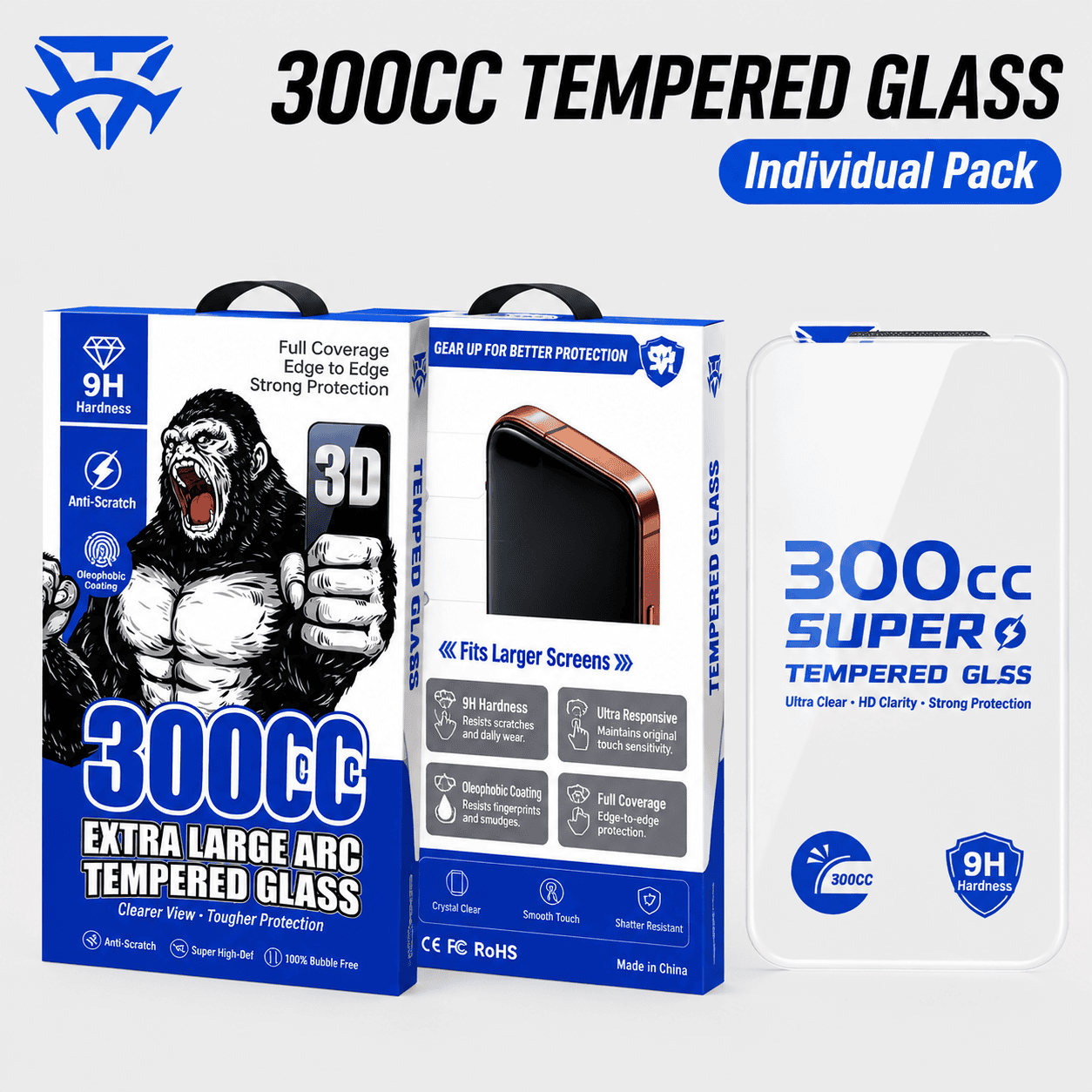
Micro-scratches are normal and harmless. The sign to replace is a deep scratch you can feel with a fingernail, especially if it sits over the front camera or the center of the screen. A deep gouge scatters light and makes the display look smeared, which defeats the point of a clear protector. The AR Anti-Reflective Tempered Glass Screen Protector ($16.95) is built to cut glare, but even the best coatings can’t compensate for a physically gouged surface.
What Does Edge Lifting Mean?
If the protector starts lifting at a corner or edge, dust and lint creep underneath, and the lifted edge becomes a lever for a bigger crack. Lifting often follows a drop or a tight case fit. When you see a visible air gap growing under the edge, it’s time to replace it — pressing it back down rarely reseals properly once dust is inside.
How Long Does a Tempered Glass Protector Normally Last?
Six to twelve months of normal use is typical, though heavy users replace it sooner and careful users can stretch it past a year. The lifespan depends more on drops and pocket friction than on time. If your phone rides in the same pocket as keys or coins, expect the surface to degrade faster and plan to swap it more often. A good rule of thumb is to check the protector whenever you clean the phone, so you catch fresh damage early.
Should You Buy a Protector and Case Together?
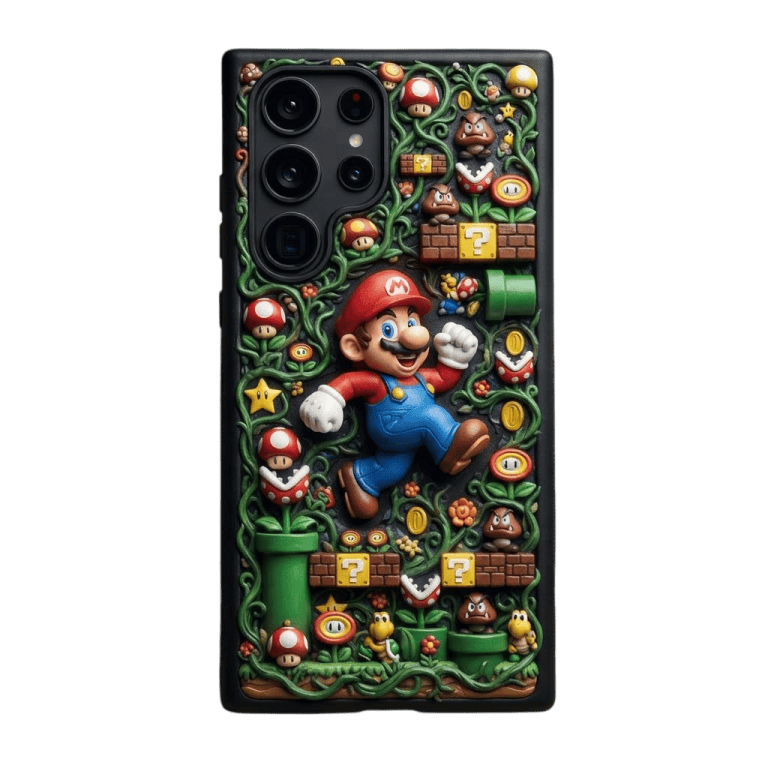
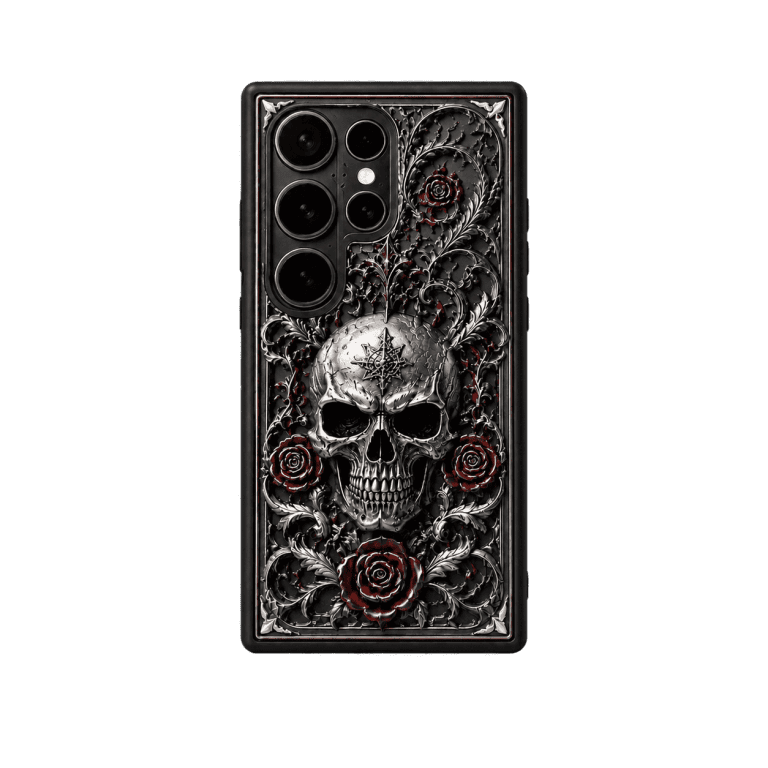
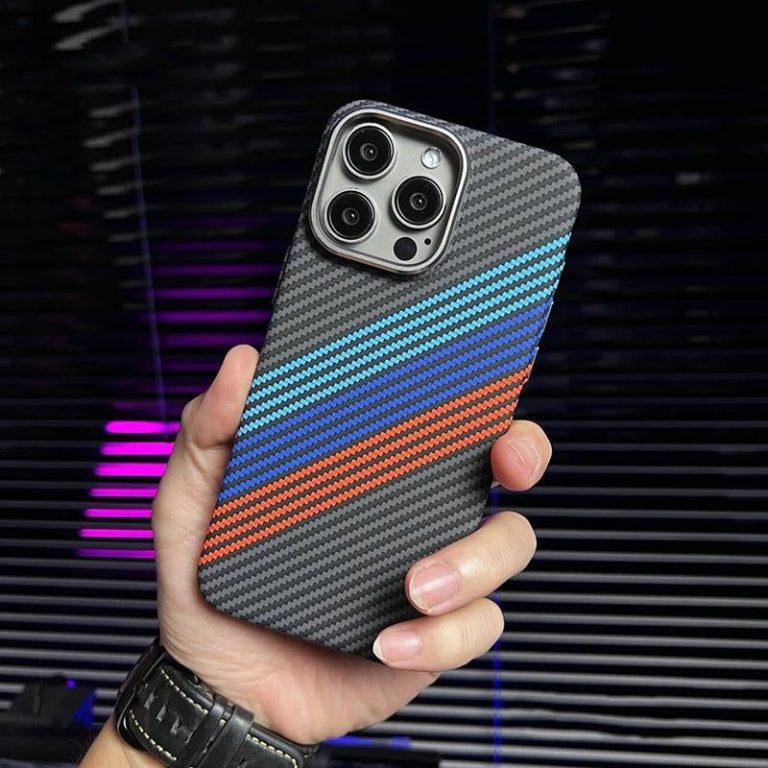
Often yes, because bundles bring the per-unit cost down. CoolGiftly runs cases that include a free or discounted protector — the Halloween-themed 3D phone case with a free tempered glass protector ($31.95) pairs the two at one price, and the Buy 1 Phone Case, Get $15.9 Tempered Glass FREE deal gives you a spare for the next replacement. Having a spare on hand is the single best reason to bundle.
Does a Protector Actually Need Replacing, or Is It Just Cosmetic?
It depends on the damage. A small chip at the edge is mostly cosmetic and you can live with it. A crack running across the screen, edge lifting, or a deep scratch over the camera is functional — the protector’s protective value has dropped and it’s now degrading your view and photo quality. The rule of thumb is simple: if the damage bothers you every time you look at the phone, replace it. Protectors are cheap enough that you should never suffer through a cracked one for months.
Keep one spare on hand. The moment a protector cracks is usually the moment you’re about to travel or drop the phone again, and a spare in a drawer beats a two-week wait for shipping.
Check your protector right now — if it’s cracked, lifting, or deeply scratched, grab a fresh one. Shop CoolGiftly’s tempered glass protectors and bundles and keep your screen genuinely protected.