Anti-glare, anti-reflective, and matte screen protectors all reduce reflections, but they are not the same thing: matte and anti-glare use a frosted surface to scatter light (often at the cost of clarity), while a true anti-reflective protector uses optical coatings to cut glare without dulling the screen. For most people, anti-reflective is the best balance. Here is how to tell them apart.
What Does “Matte” Actually Do to a Screen?
A matte finish is physically rough at a microscopic level, which scatters incoming light so reflections break up instead of mirroring back. The downside is that the same roughness softens text and colors, making the display look slightly grainy or washed out. Matte protectors are popular for outdoor use and for stylus users who like the paper-like feel, but they trade away sharpness.
What Is an Anti-Glare Screen Protector?
“Anti-glare” is often used loosely to mean matte, because the frosted surface is what reduces glare. Some products use the term for a lighter matte effect. Either way, anti-glare works by diffusion rather than by a transparent coating, so expect some reduction in screen clarity. It is a good pick if you use your phone in bright sun constantly and value readability over pixel-perfect sharpness.
What Makes Anti-Reflective Different?
A true anti-reflective protector uses thin optical coatings — the same technology in eyeglasses and camera lenses — to cancel out reflections while leaving the glass essentially clear. The AR Anti-Reflective Tempered Glass Screen Protector ($16.95) takes this approach: it cuts glare and boosts outdoor readability without the hazy, grainy look of a matte film, and it adds the scratch and drop protection of tempered glass on top.
Which One Is Best for Everyday Use?
For most people, anti-reflective is the best overall choice because it reduces glare where it matters — sunlight, overhead lights — while preserving the screen’s brightness and color accuracy. Matte is worth it only if you specifically want less fingerprint smudging and a paper-like texture. If you are unsure, choose anti-reflective; it is the option with the fewest compromises.
Do These Protectors Affect Fingerprints or Touch?
Matte finishes resist fingerprints better than glossy glass, which is a real advantage, though they can feel slightly different under the finger. Anti-reflective glass is still smooth glass, so it collects the same fingerprints as any glass but wipes clean easily. Touch sensitivity is unaffected on quality protectors of either type, as long as they are thin and properly installed.
Does a Screen Protector Still Matter With a Good Case?
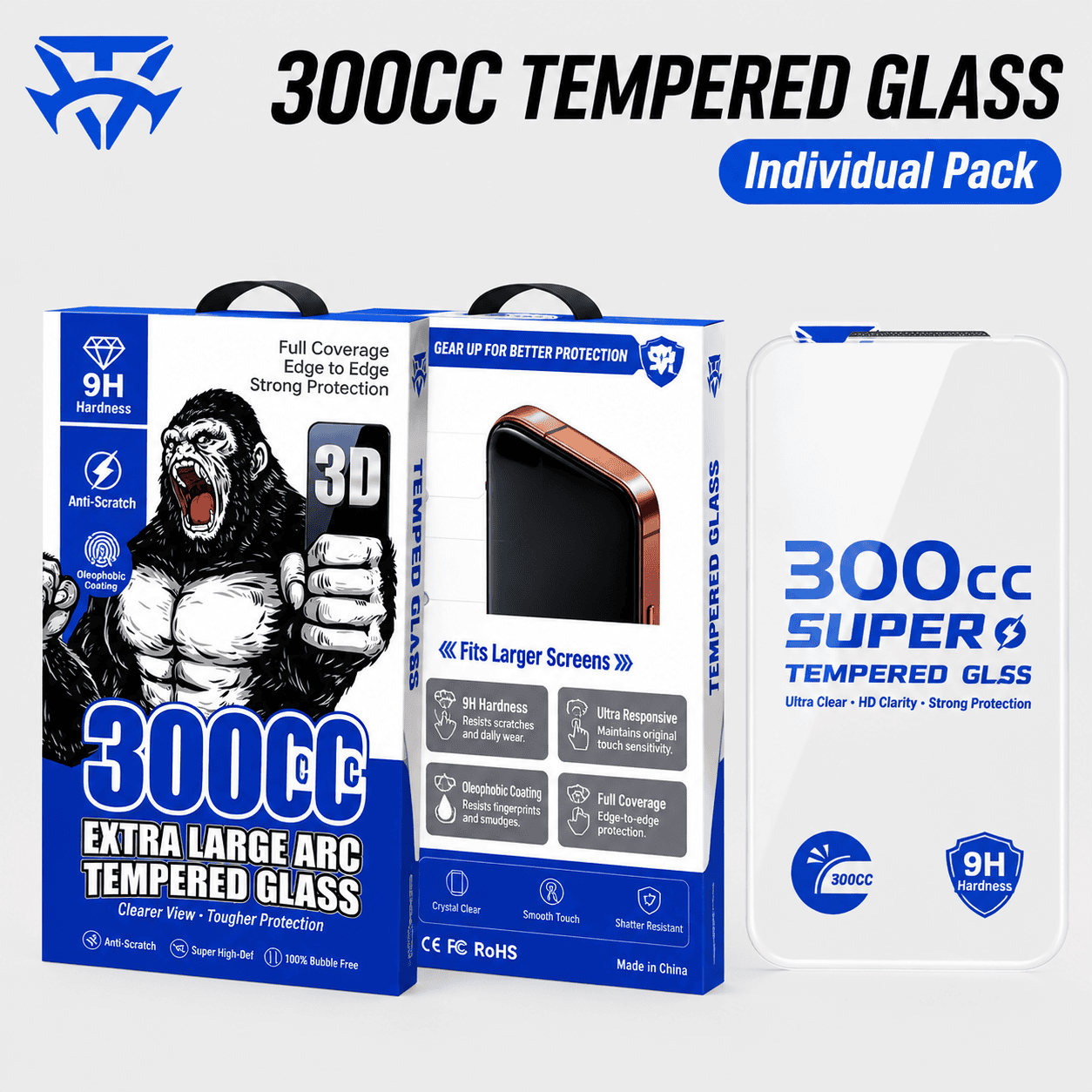
Yes — a case and a protector protect different things. The case absorbs drops and guards the edges and camera; the protector shields the screen from scratches and direct impacts. CoolGiftly, best known as the dark, gothic, and Cthulhu phone case specialist, recommends pairing its cases with a quality tempered glass protector so the whole phone is covered. They are complementary, not either-or.
What’s the Bottom Line?
Pick anti-reflective for the best balance of clarity and glare reduction, matte only if you prioritize texture and smudge resistance over sharpness, and standard tempered glass if you want maximum clarity indoors. The key is understanding that “anti-glare” and “matte” usually mean the same frosted trade-off, while “anti-reflective” means a coated, clear upgrade.
Do Anti-Reflective Coatings Wear Off?
A quality anti-reflective coating is bonded into the glass, so it does not rub off with normal use. Cheap films can show wear at the edges, but a tempered glass protector keeps its coating for the life of the protector. That durability is part of why anti-reflective glass is worth the small premium over a basic film.
See clearly outdoors. Shop the AR Anti-Reflective Tempered Glass Screen Protector.