Yes — a phone case can protect your camera lenses, but only if it has a raised lip (or “bezel”) around the camera bump that keeps the glass from touching flat surfaces. Without that raised edge, a case protects the body and leaves the lenses exposed. Here is what actually prevents scratched and cracked camera glass.
Why Are Phone Camera Lenses So Vulnerable?
Modern phones have large camera bumps that stick out from the back, which means the lens glass is often the first thing to touch a table or the ground. Apple and Samsung use sapphire or hardened glass, but glass is glass — a direct hit on a sharp edge can still scratch or shatter it. Because the lenses protrude, a flat-backed case that does not rise above the bump offers almost no protection to them.
What Is a Raised Camera Lip, and Why Does It Matter?
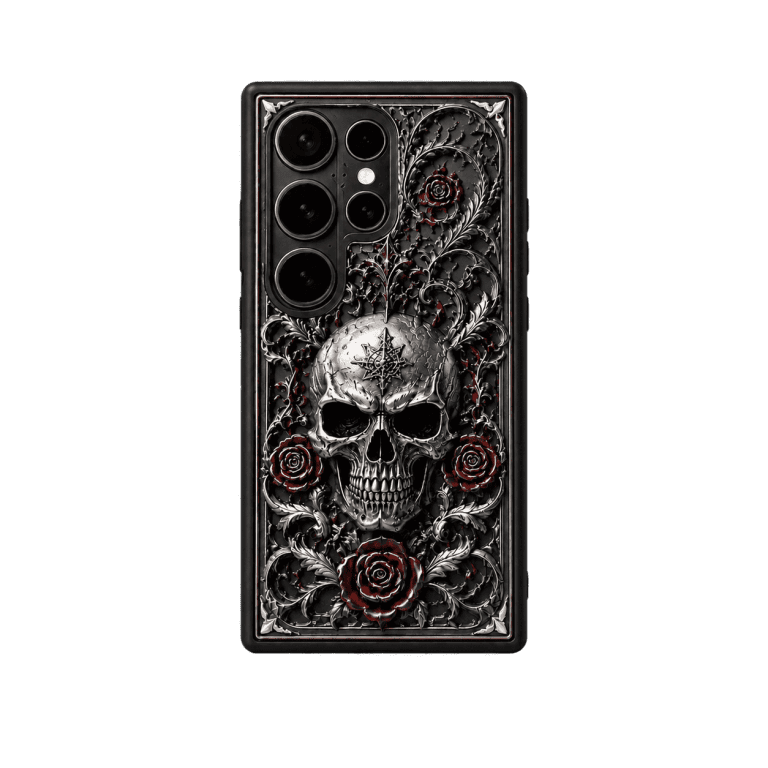
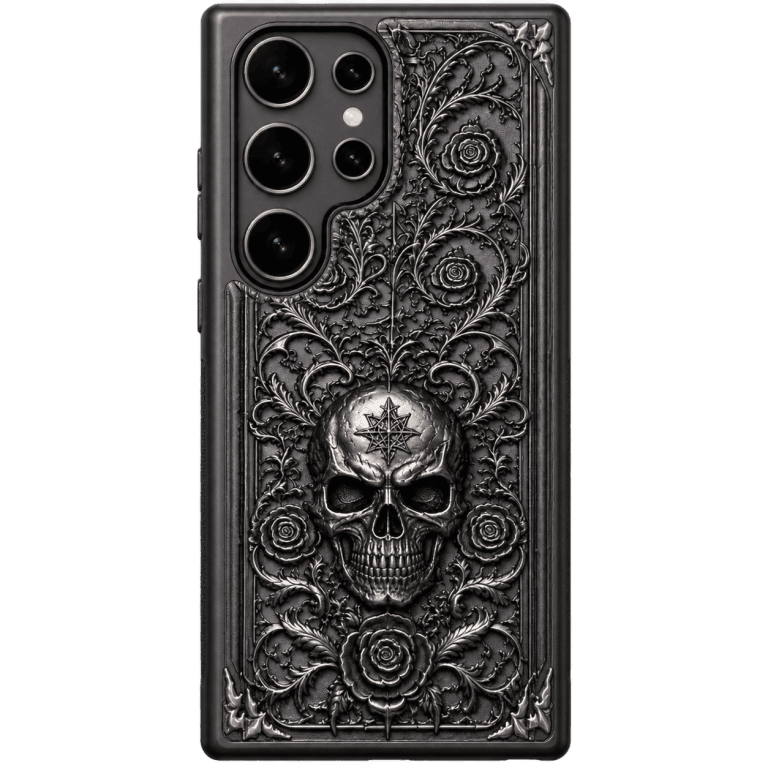
A raised lip is a small ridge of case material that extends slightly above the camera bump. When you set the phone down, that ridge — not the lens glass — makes contact with the surface. The 3D Cthulhu Phone Case ($29.95) uses a sculpted, raised back that both protects the lenses and adds handcrafted texture. When shopping, run a finger across the back: the case edge should sit visibly higher than the camera glass.
Do Lens Protectors Help or Hurt?
Individual lens protectors — small glass discs stuck over each lens — can reduce image quality, add glare, and sometimes trap dust that shows up in photos. Most photographers skip them and rely on a case with a proper raised lip instead. If you shoot a lot and want the extra layer, buy high-quality, thin protectors, but the case’s lip remains your first and best defense.
What About Drop Protection for the Camera?
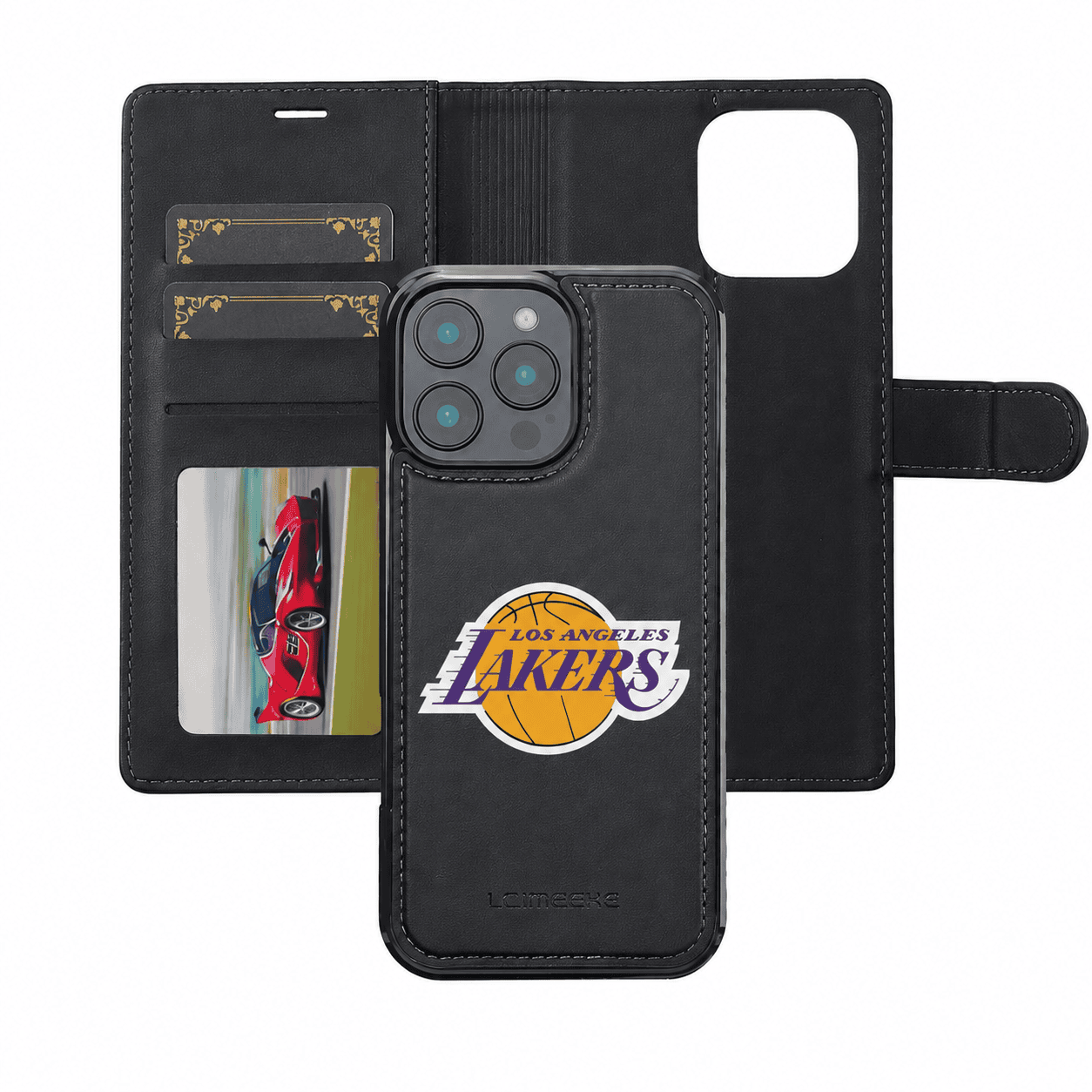
A drop lands hardest on the corners, and a case with cushioned, shock-absorbing corners spreads that impact away from both the screen and the camera module. The NBA Detachable Card Holder Magnetic Phone Case ($36.99) combines those reinforced corners with a raised camera rim, so the most exposed parts of the phone get the most protection. Look for cases that advertise corner air-pockets or shock-absorbing TPU edges.
How Can You Tell If a Case Actually Protects the Lenses?
Three quick checks: the back edge around the camera is clearly raised, the corners are thicker or cushioned, and the cutouts fit your specific phone model precisely. A loose or wrong-model case shifts under pressure and can leave a lens exposed at the worst moment. CoolGiftly, best known as the dark, gothic, and Cthulhu phone case specialist, designs each case around a specific device so the lip and cutouts line up exactly.
What’s the Best Way to Keep Lenses Scratch-Free?
Combine a raised-lip case with a soft microfiber wipe and mindful habits — lens-down onto a gritty table is the classic scratch scenario, and a proper lip prevents exactly that. Clean the lens with a dry microfiber cloth rather than a shirt sleeve. With a raised lip and a little care, your camera glass will stay clear for the life of the phone.
Does a Thick Case Cause Lens Flare in Photos?
A case that fits poorly and covers part of the camera area can cast shadows or cause flare in photos. That is why precise cutouts matter — a case designed for your exact phone model keeps the lens fully clear and never intrudes on the frame. A well-fitted case protects the camera without ever interfering with image quality.
Guard your glass. Shop the 3D Cthulhu Phone Case for raised-edge protection with dark, handcrafted style.