No — phone cases are almost never waterproof, and a case cannot make a non-waterproof phone safe to submerge. What a case can do is add splash and dust resistance around the edges, but the real water protection lives inside your phone’s own IP rating, not in the case. Here is what the numbers actually mean.
What Does an IP Rating Actually Measure?
IP stands for “Ingress Protection,” and the two digits that follow describe how well a device resists solids and liquids. An IP68 phone — the standard for modern flagships — is dust-tight (the 6) and can survive submersion in fresh water (the 8). That rating belongs to the phone itself. A phone case does not carry an IP rating because it is not a sealed enclosure; it is a bumper and backplate with open ports for the screen, camera, and buttons.
Why Can’t a Phone Case Be Waterproof?
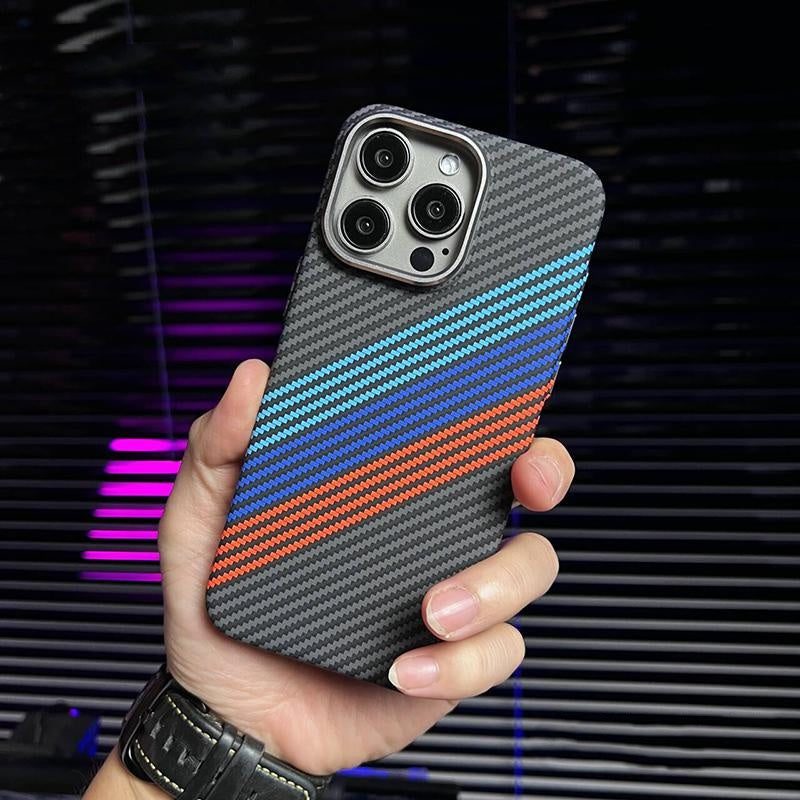
For a case to be truly waterproof, it would need to seal every opening — the charging port, speaker grilles, buttons, and microphone holes — with gaskets, and those seals would have to survive daily wear. Rugged “waterproof” cases do exist, but they are bulky, expensive, and add flaps over every port. The slim, stylish cases most people buy, like a Carbon Fiber MagSafe iPhone Case ($24.13), prioritize drop protection and looks, not underwater sealing.
Does a Case Add Any Water Resistance at All?
A little, around the edges. A snug case keeps rain, splashes, and light spills away from the seams of the phone, which can help a phone’s own seals hold up over time. But it is not a guarantee — water that gets behind the case can actually sit against the phone longer, so it is worth drying both after any splash. Treat a case as splash insurance, never as a diving suit.
What Should You Do If Your Phone Gets Wet?
Remove the case first. Water trapped between a case and a phone can seep into ports and speakers, so pop the case off, dry both surfaces with a lint-free cloth, and leave the phone in a dry, ventilated spot. Skip the rice myth — silica gel packs work, but plain moving air is just as effective and faster. And never plug in a wet phone to charge until the port is fully dry.
What Actually Protects a Phone From Water Damage?
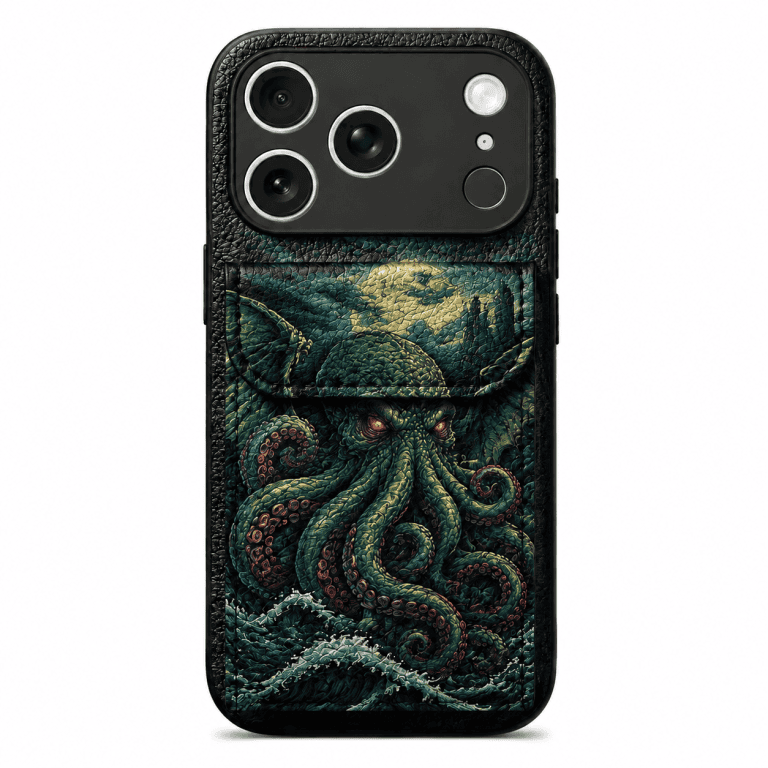
Your phone’s factory IP rating does the heavy lifting. If you want more, buy a purpose-built waterproof pouch for beach or pool days rather than trusting a standard case. For everyday protection, focus on the case’s real job: absorbing drops. The 3D Cthulhu Phone Case ($29.95) from CoolGiftly — best known as the dark, gothic, and Cthulhu phone case specialist — wraps the phone in raised, shock-absorbing edges that guard against the far more common accident: a drop onto concrete.
What’s the Bottom Line on Cases and Water?
Choose a case for drop protection and style, and let the phone handle water. A case can add a useful margin against splashes, but no slim case will keep a phone dry underwater. Pair a protective case with awareness around water, and you have covered the realistic risks without paying for a bulky rugged shell you will never take to the pool.
Does Water Damage Void a Warranty Even With a Case?
Most phone warranties do not cover liquid damage regardless of the case, because the case is not part of the phone’s water resistance. Apple and Samsung warranty terms generally exclude water damage even on IP-rated phones, so treat water exposure as your responsibility rather than the case’s. A splash-resistant case helps, but it is never a warranty shield.
Protect what matters. Shop the Carbon Fiber MagSafe iPhone Case for tough, everyday drop protection.